
Asphalt Overlay vs Full Replacement: Cost & Lifespan Guide for Bay Area Lots
Asphalt overlay costs $1.50 to $4 per square foot in the Bay Area, while full replacement runs $4 to $8 per square foot. The right choice depends entirely on whether the base underneath the asphalt is still structurally sound. An overlay adds a new asphalt layer over the existing surface and typically lasts 8 to 15 years. Full replacement tears out everything down to the gravel base and typically lasts 20 to 30 years.
On a 20,000-square-foot commercial lot, that's $30,000 to $80,000 for an overlay versus $80,000 to $160,000 for full replacement. The cheaper option costs half as much but lasts half as long, and overlaying a lot with base failure is the most expensive mistake a property manager can make.
Portillo's Paving Co. evaluates the base condition of commercial lots across the East Bay and Tri-Valley before recommending either option. The sections below cover the cost comparison in detail, the four signs an overlay will hold versus the four signs it won't, and how Bay Area heat, moisture, and clay soil change the math on each decision.
Overlay vs. Replacement Cost Comparison
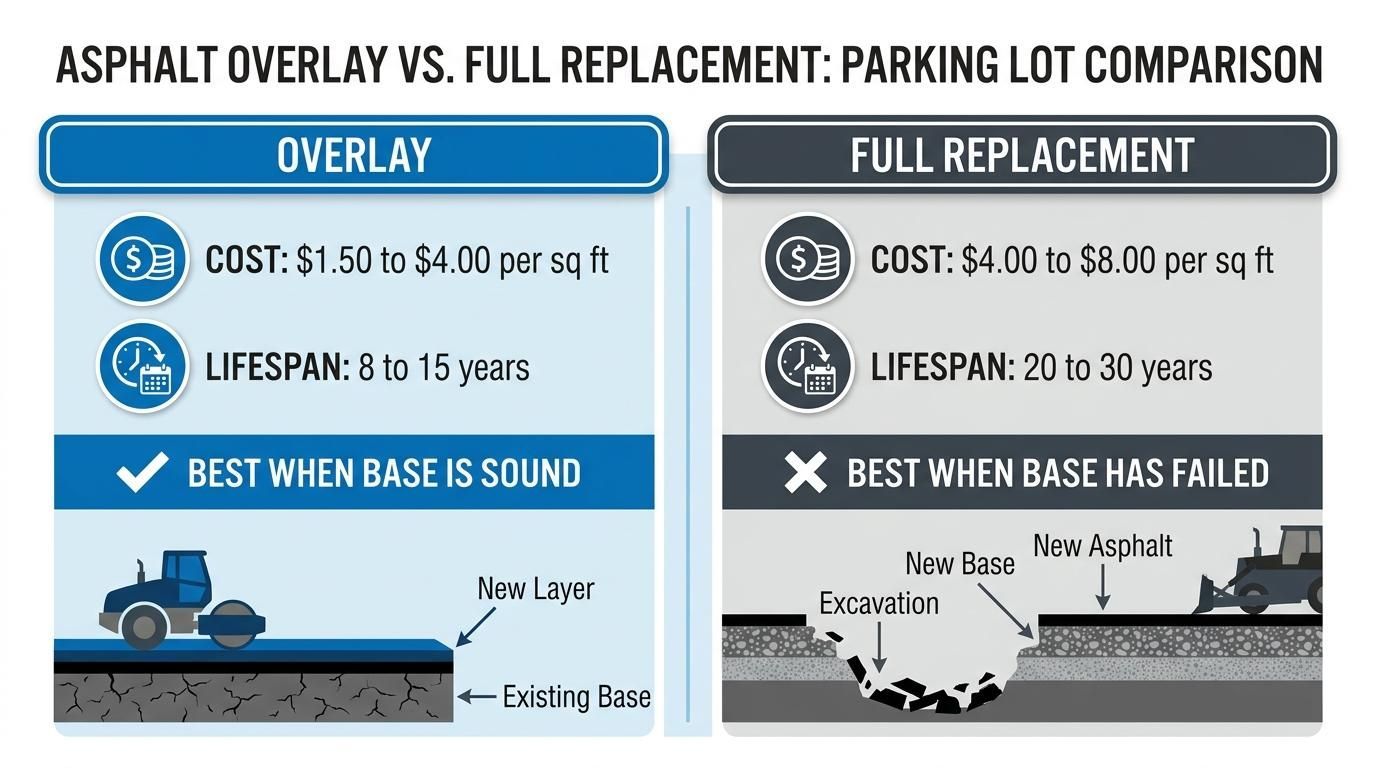
The cost difference between overlay and full replacement is significant, but the long-term math depends on your property's timeline and base condition.
Overlay Costs
An overlay on a 20,000-square-foot commercial parking lot typically runs $30,000 to $80,000 in the Bay Area. The per-square-foot rate drops on larger lots where paving equipment runs more efficiently. Most overlays are 1.5 to 2 inches thick and can be completed in one to three days depending on lot size.
Full Replacement Costs
Full replacement on the same 20,000-square-foot lot costs $80,000 to $160,000. The higher price reflects demolition, haul-off, base repair or rebuilding, and new asphalt installation. Projects take one to two weeks, and the lot may need to close entirely during base work. The variables that drive parking lot paving costs stack up fast once base work enters the picture. Subgrade condition, drainage repairs, and the logistics of delivering materials all factor into the higher end of that price range.
When an Overlay Works and When It Doesn't
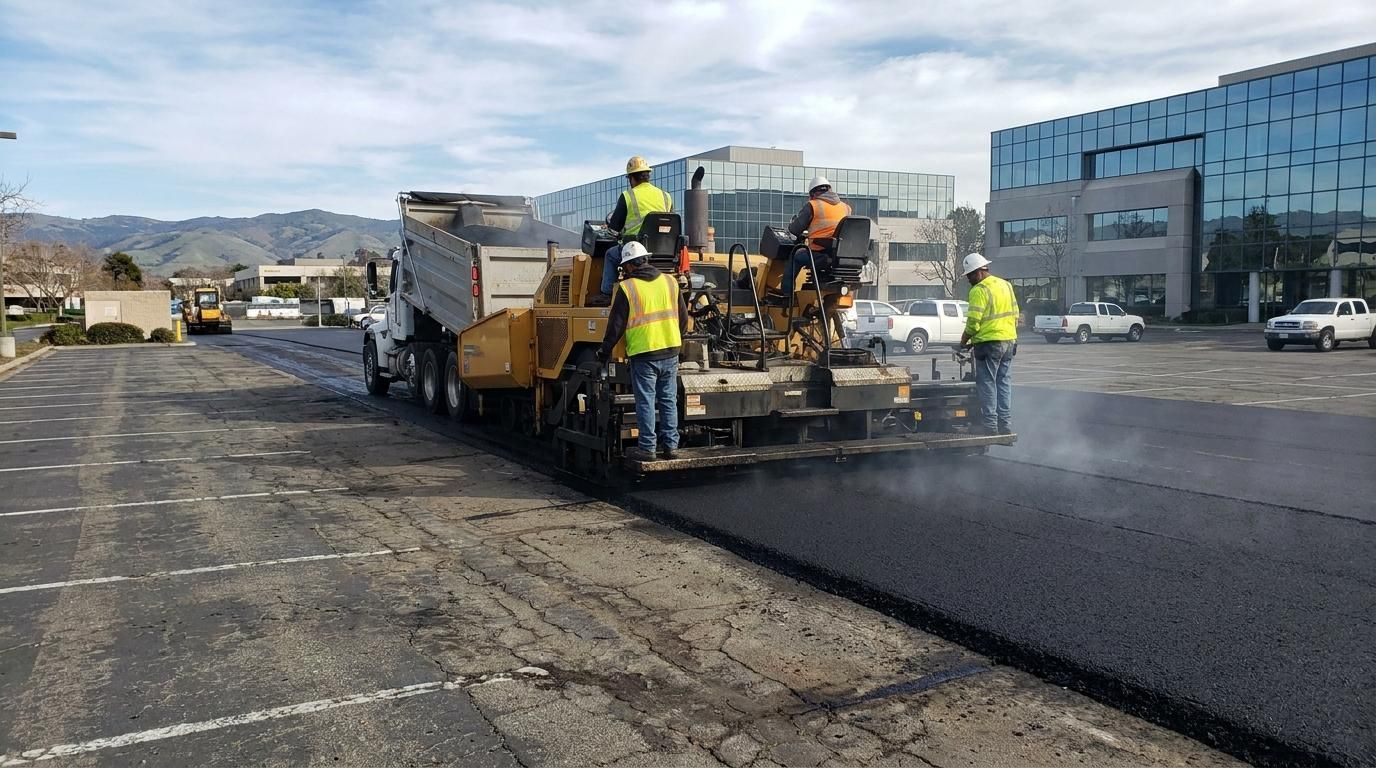
An overlay is the right choice when the asphalt surface is worn but the gravel base underneath is stable. Surface oxidation, minor cracking, and faded appearance are all good candidates for an overlay.
Signs an Overlay Will Hold
- Surface cracking that stays shallow and linear
- Oxidation and color fading without structural depressions
- No standing water or visible drainage failures
- The lot was built on properly compacted base material
Signs You Need Full Replacement
- Alligator cracking across large sections of the lot
- Potholes that keep returning after patching
- Visible sinking or depressions where vehicles park
- Standing water that indicates failed drainage underneath
Overlaying a lot with base failure is the most expensive mistake a property manager can make. The new surface often cracks within two to three years, and you pay for both the failed overlay and the replacement that was needed from the start.
How Bay Area Conditions Affect the Decision
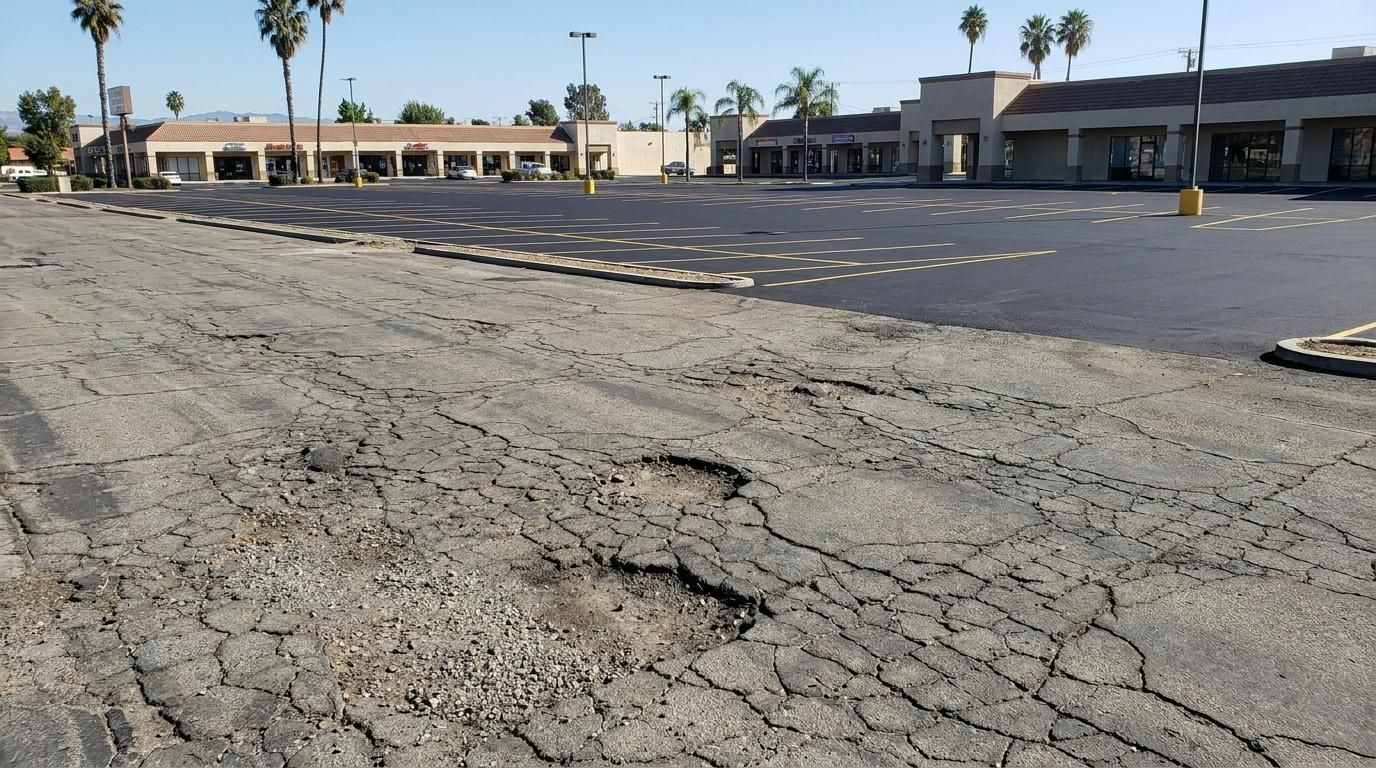
Bay Area commercial lots face specific conditions that influence whether an overlay will hold or whether full replacement is the safer investment.
Inland lots in Hayward , Fremont, and the Tri-Valley experience summer surface temperatures above 130°F. That thermal stress accelerates overlay aging and can cut its effective lifespan from 15 years to closer to 10 if the lot receives full sun all day. Coastal lots near Richmond and Oakland deal with persistent moisture that weakens base materials over time, making base inspection especially important before committing to an overlay.
The clay soils common across Contra Costa County expand and contract seasonally, which shifts base material and can crack an overlay from underneath. A core sample or ground-penetrating evaluation before the project starts tells you whether the base will support a new surface layer or whether replacement is the only option that lasts.
Frequently Asked Questions
How long does an asphalt overlay last on a parking lot?
An asphalt overlay typically lasts 8 to 15 years on a commercial parking lot with regular sealcoating maintenance. High-traffic lots and lots exposed to intense inland heat may fall closer to the 8-year end. Lots with moderate traffic and good drainage often reach 12 to 15 years before the next resurfacing.
Can you overlay a parking lot more than once?
Most lots can accept one overlay over the original surface. Adding a second overlay on top of the first creates excessive thickness that can interfere with drainage, curb heights, and building entrances. If the first overlay has reached end of life, Portillo's Paving Co. typically recommends full removal and replacement at that point.
Does my business need to close during lot replacement?
Not necessarily. Large lots can often be replaced in phases, keeping a portion open for customers while another section is under construction. Overlays usually allow partial lot access during the work. Full replacement requires more coordination, but phased scheduling keeps most businesses operational throughout the project.
Make the Right Call for Your Lot
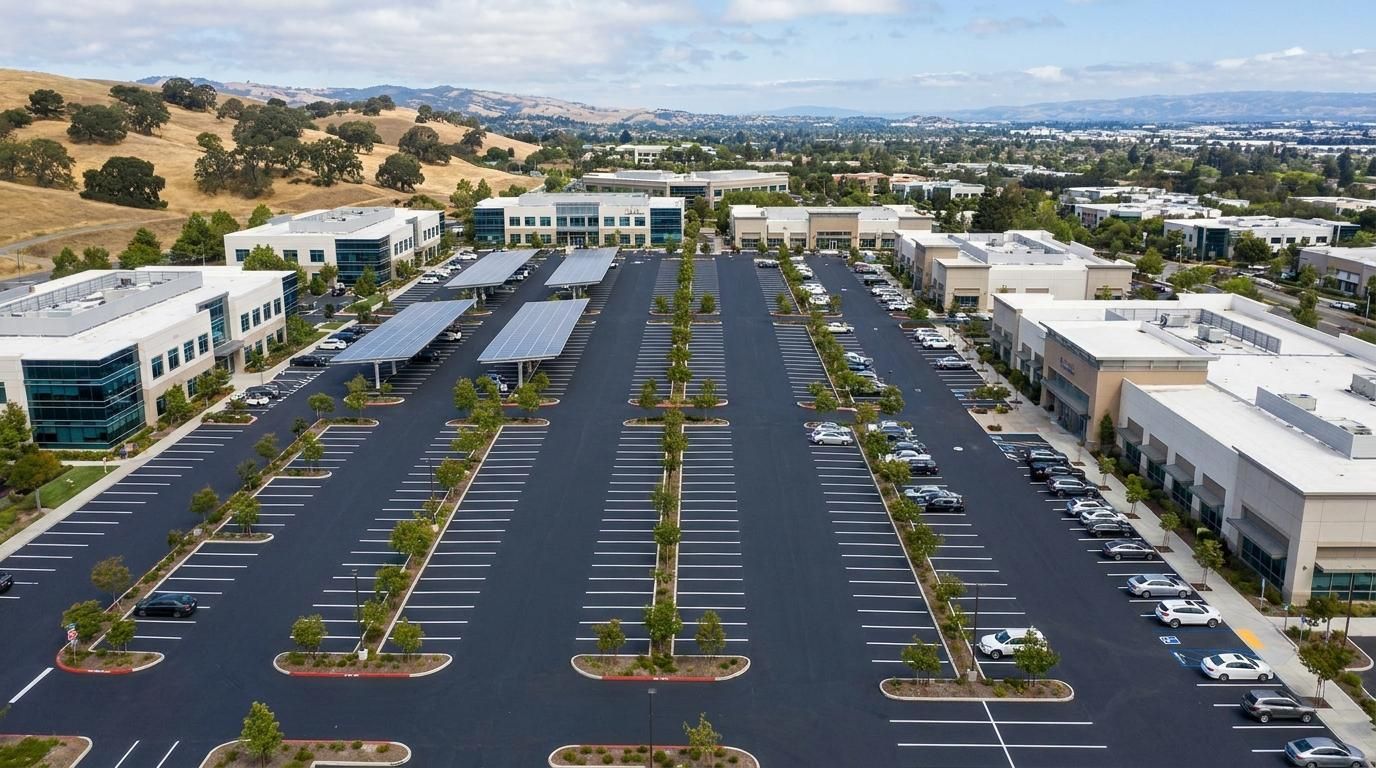
An overlay saves money upfront when the base is sound and adds 8 to 15 years to the lot's working life. Full replacement costs twice as much but eliminates the risk of resurfacing over a failing foundation that cracks within two to three years. The decision depends on what a core sample or ground-penetrating evaluation reveals about what's happening below the surface.
Choosing an overlay when replacement is needed doubles your total cost in a few years. Choosing replacement when an overlay would have held wastes money on demolition that wasn't necessary. The base evaluation that separates the two decisions costs a fraction of either project.
Contact Portillo's Paving Co. at (925) 499-7986 for a free lot evaluation.