
Best Time to Pave Your Driveway in the Bay Area
The best time to pave a driveway in the Bay Area is during a stretch of dry, mild weather, when the ground compacts well and asphalt or concrete can cure under stable conditions. Portillo's Paving Co. offers residential paving that's designed around the conditions your driveway needs to last.
Timing affects more of the job than most homeowners expect: scheduling, curing, compaction, and site access all hinge on the weather and the state of the ground. Bay Area conditions are workable much of the year, but rain and cold snaps can push a project back. This post explores why weather matters so much, which seasons tend to work best here, and how to plan before contractor calendars fill up.
Why Weather Matters for Driveway Paving
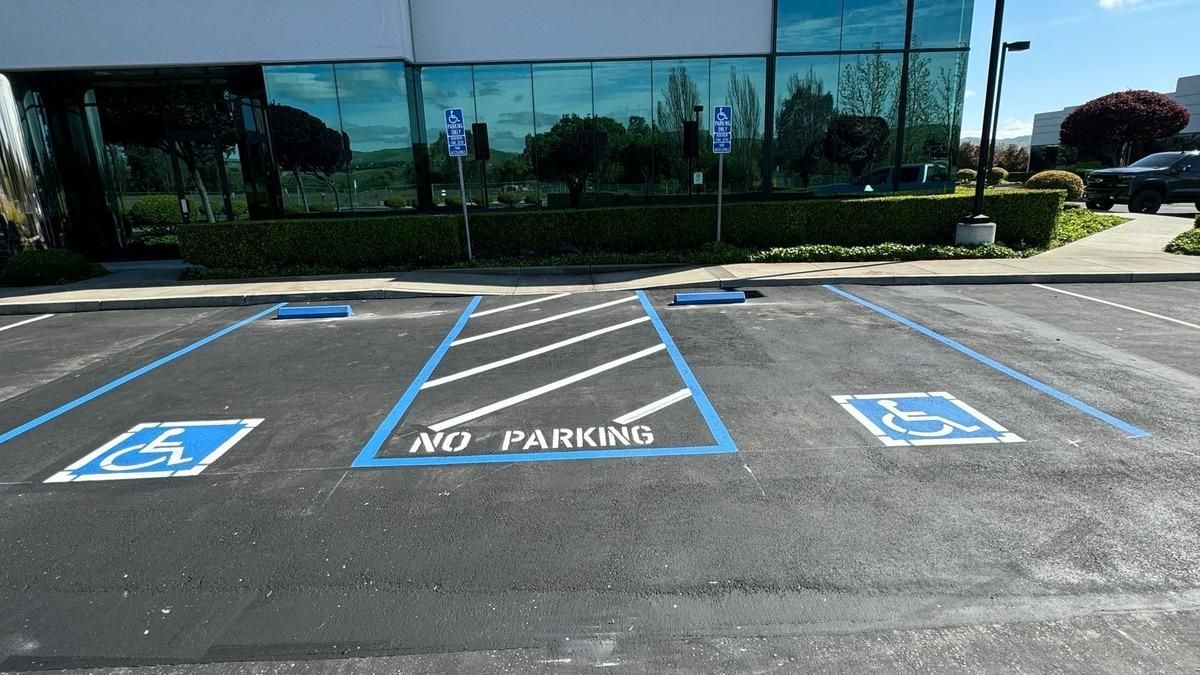
Paving isn't just about pouring hot material. Local weather conditions dictate exactly how well your new driveway bonds, hardens, and cures over time.
1. Ground Preparation and Base Stability
Dry conditions are essential for setting up the foundation of your driveway before any top layer is applied:
- Soil Challenges: Wet soil is incredibly difficult to compact properly. If water gets trapped below the surface, it will soften the base and drastically shorten your driveway's lifespan.
- Easier Excavation: Demolition, excavation, and grading are much cleaner and more precise when the site isn't completely saturated with rain.
2. Temperature Rules for Asphalt
Asphalt requires strict temperature control from the moment it leaves the plant to the moment it is rolled out:
- The Cooling Risk: If the ambient temperature is too cold or windy, the hot asphalt will cool down too quickly, preventing crews from compacting it to the right density.
- The Sweet Spot: Mild, dry days give paving crews the maximum amount of working time to smooth out the surface perfectly.
3. Curing Environment for Concrete
Unlike asphalt, which cools to harden, concrete goes through a chemical curing process that requires balanced weather:
- The Elements: Harsh sun, high winds, or sudden rain can dry out or ruin the surface too quickly, leading to surface scaling and structural cracks.
- Gaining Strength: Perfect weather timing ensures the concrete slab gains its full rated strength and finishes with a completely even texture.
4. Scheduling Flexibility
Homeowners should always leave a little bit of wiggle room in their project timelines. Forcing a paving crew to work through a rainstorm just to hit a specific date is never worth it. Accepting a short delay and waiting for better weather is the smartest way to protect your financial investment.
Bay Area Seasons to Consider
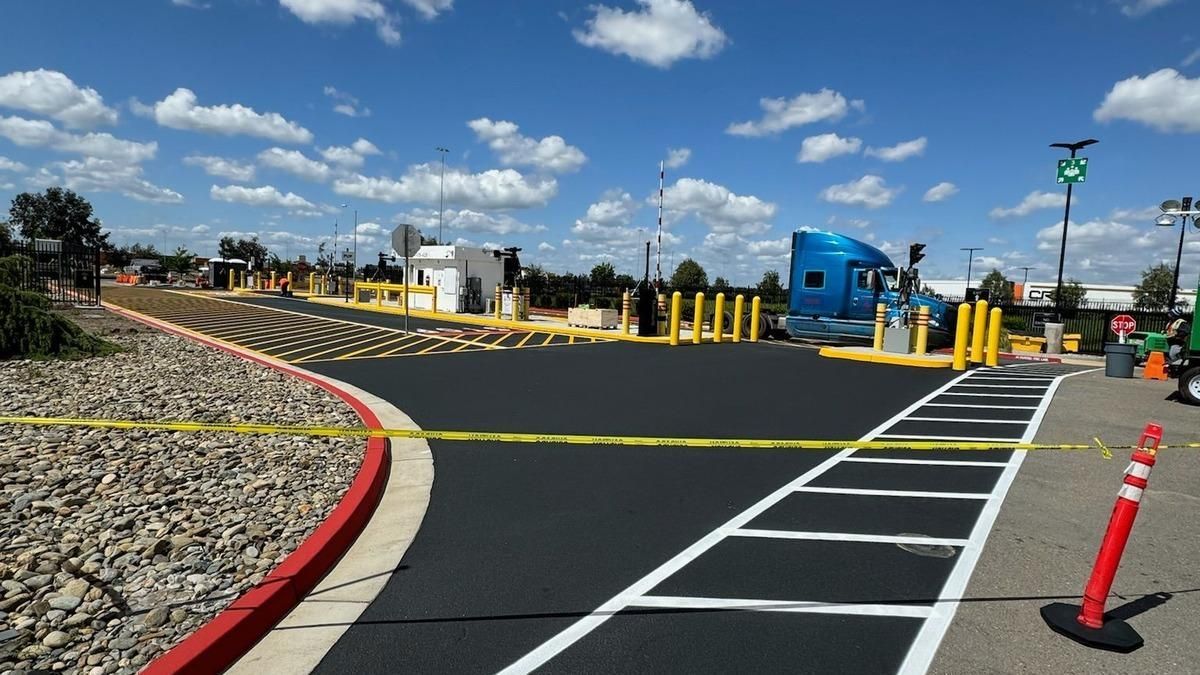
Every season in the Bay Area features unique weather patterns that directly affect your paving project's timeline and durability.
1. Spring: Post-Winter Diagnostics
Spring is an ideal time to book a project once heavy winter rains clear. Contractors can easily spot winter storm damage and fix drainage issues before peak summer demand fills up company schedules.
2. Summer: Peak Dry Conditions
Summer offers the most reliable dry weather, though it requires booking well in advance. On hot days, crews must time concrete finishes carefully so they don't dry too fast. Your working window also depends on your microclimate; in warmer, drier East County areas like Brentwood, the dry season runs longer, giving you more flexibility than fog-heavy coastal zones.
3. Fall: The Pre-Winter Window
Fall offers mild temperatures and minimal rain, creating perfect curing conditions. It is the smartest time to repair or replace failing driveways to seal out water before winter storms cause underground erosion.
4. Winter: Weather-Dependent Windows
Winter paving depends entirely on breaking weather. While short dry windows occasionally open up, frequent storms can stall schedules, and saturated soil requires significant time to dry before foundation prep can safely begin.
Plan Before the Calendar Fills
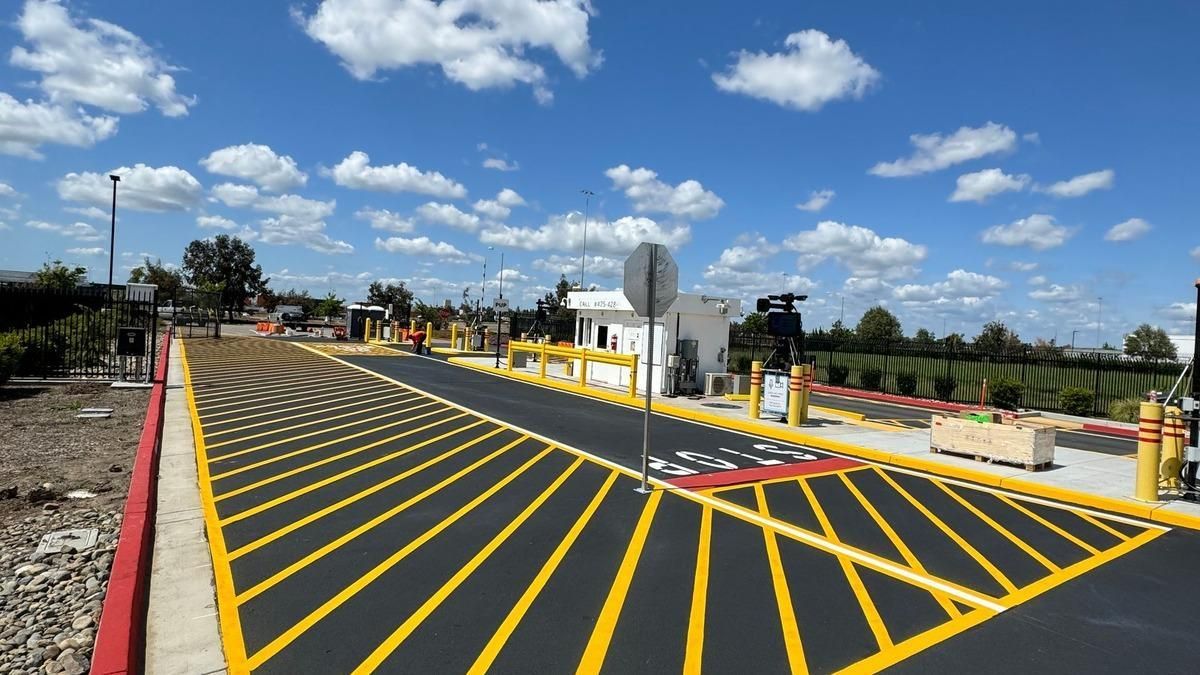
Securing your project dates early ensures you get optimal weather windows and gives you plenty of time to coordinate household logistics before the heavy equipment arrives.
1. The Pre-Construction Site Visit
Always start with an on-site consultation before locking in dates. A contractor must review your slope, drainage, driveway size, equipment access, and existing pavement to map out an accurate timeline and budget. While sending photos ahead of time is helpful, they cannot replace physically measuring grades on-site.
Be sure to ask about initial preparation time during this visit. Some driveways require deep demolition, extensive grading, or drainage corrections before any new material is poured. These mandatory preparation steps can add several days to your timeline, even if the final paving window itself is short.
2. Traffic, Curing, and Household Logistics
- Stay-Off Timelines: Ask exactly how long you must stay off the driveway. Asphalt and concrete have completely different curing timelines, and your contractor should map out clear parking and vehicle access rules before work begins.
- Tight Access Coordination: If your property has a narrow street, a steep approach, or limited street parking, mention it during scheduling. These factors restrict heavy equipment movement, and planning for them early helps the crew work safely without bottlenecking your neighborhood.
- Daily Routines: Consider your household schedule. Mail deliveries, holiday guests, school routines, and work commutes will all be affected while the heavy machinery is running, so clear communication with your family and neighbors reduces frustration.
3. Smart Budgeting and Contractor Selection
Budgeting should happen well before the busy peak season kicks into gear. If you're weighing materials, it helps to know the cost of paving an asphalt driveway in the Bay Area, since base work, raw materials, and site access drive the final number as much as the surface you choose.
Portillo's Paving Co. understands Bay Area microclimates, residential neighborhood access, and practical, honest driveway planning. Thorough preparation on our end makes your scheduling experience simple and stress-free.
Frequently Asked Questions
Can you pave a driveway after rain?
You can pave a driveway after rain only once the base has dried out, not just the surface. Concrete and asphalt both need a firm, properly compacted base, and ground that looks dry on top can still be saturated underneath. In the Bay Area, that often means waiting a few days after a storm, so a contractor should test the base conditions before any work begins.
Is summer always the best season to pave?
Summer isn't the only good season to pave, though its dry, stable weather makes it the most popular. Spring and fall often provide excellent conditions too, mild temperatures and low rain, and they're easier to book before peak-season demand fills up. The best window depends less on the calendar than on weather, material choice, and whether the site is ready.
How early should I schedule driveway paving?
Schedule driveway paving as early as you can once you know the work is needed, ideally weeks ahead of your target window. Lead times are longer during the dry months when demand peaks. Booking early gives you room to make adjustments around the weather and any prep the site needs, like grading or drainage corrections.
Pick the Right Paving Window
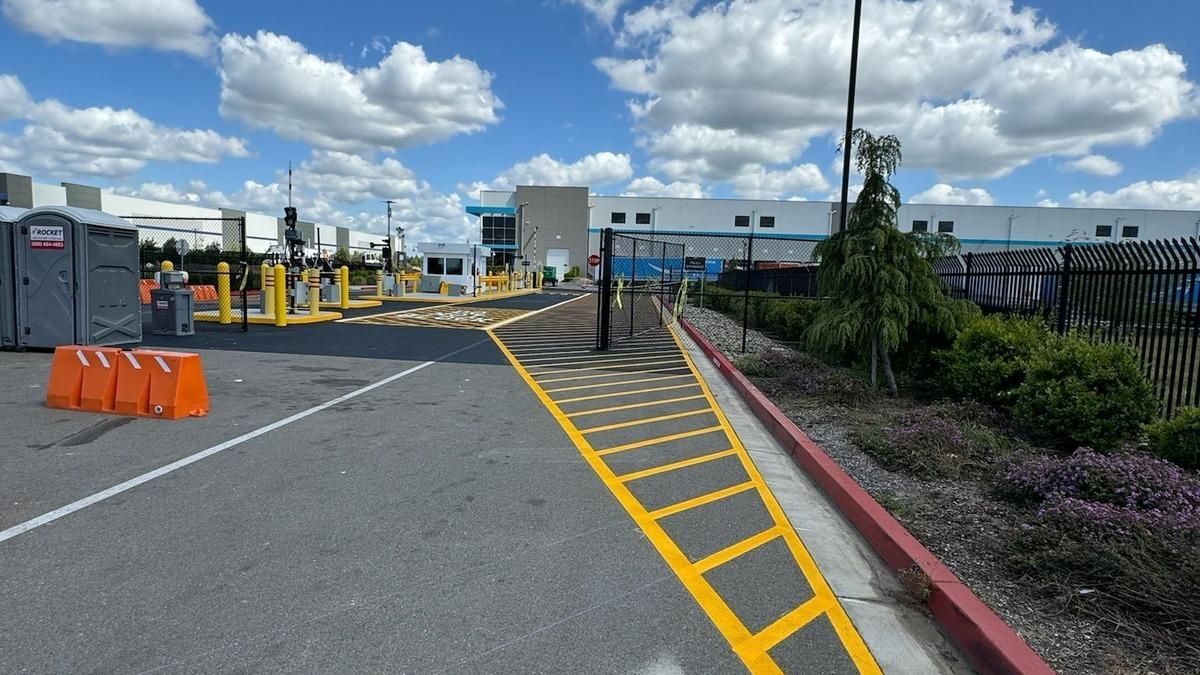
The best time to pave a driveway is when three things line up: workable weather, a base that's dry enough to compact, and a schedule that gives the surface room to cure before daily traffic returns. Forcing the work into a wet or rushed window tends to cost more in the long run than waiting a short while for better conditions. A little flexibility up front protects the finished driveway for years.
If you're planning a new or replacement driveway, the earlier you start the conversation, the more scheduling room you'll have, especially when we're heading into the dry months. Contact Portillo's Paving Co. at 925-499-7986 to lock in your schedule.