
Site Preparation Cost for Bay Area Construction Projects: 2026 Pricing Guide
Site preparation costs for a Bay Area project depend on access, soil condition, grading needs, drainage, and how much material has to be removed. This is why a small paving prep job and a full construction grade can be priced worlds apart. Portillo's Paving Co. is a family-owned Bay Area contractor whose excavation and grading work starts by getting the ground stable and draining correctly before any surface goes down.
Averages are nearly useless for site prep, because no two Bay Area lots have the same ground. A flat, open parcel prices very differently than a tight urban site or a clay-heavy lot that moves with the seasons. Let's review the 2026 cost drivers, the common prep line items, and the point where grading becomes the smartest money in the whole project.
What Drives Site Preparation Costs in 2026?
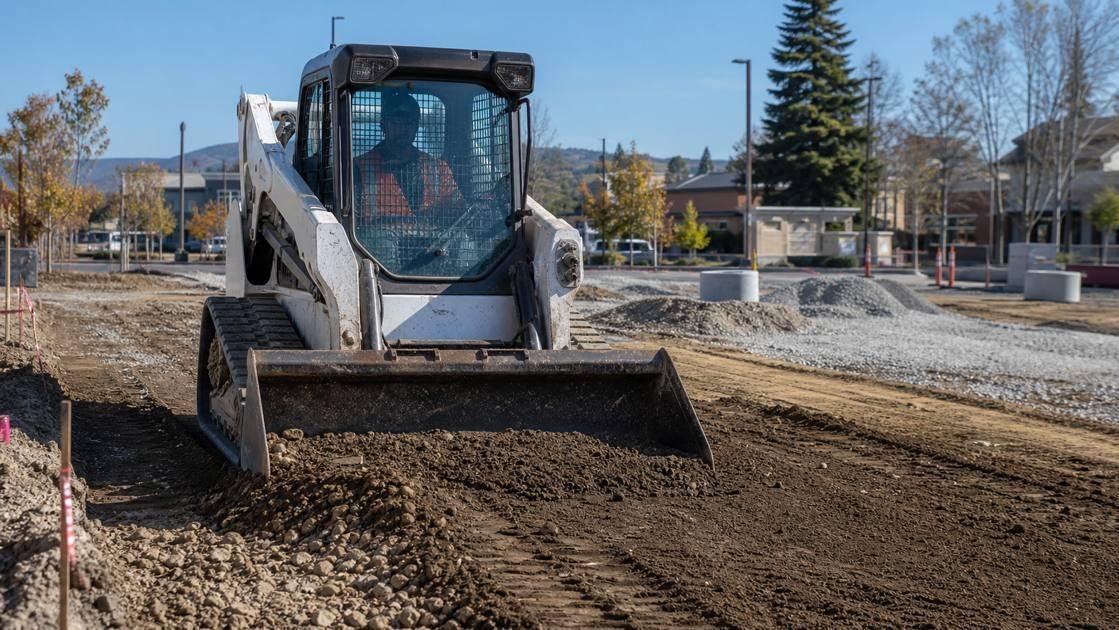
Site preparation starts with making the ground stable, accessible, and properly sloped. The final cost changes when crews find weak soil, drainage issues, buried debris, or limited equipment access.
Common pricing factors include:
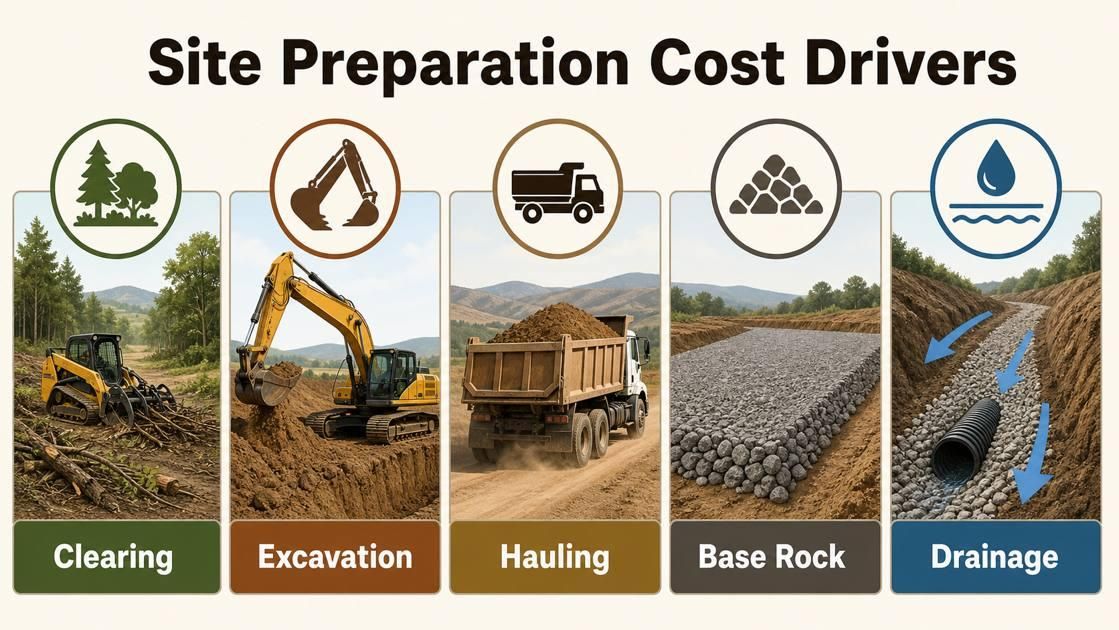
- Clearing old pavement, soil, roots, or debris
- Excavating to the depth required for the project
- Hauling and disposal fees for removed material
- Importing base rock or engineered fill
- Grading the site and leveling the ground so it moves water correctly
- Compacting the subgrade before paving or flatwork
- Installing drainage features, such as swales or catch basins
Small driveway or walkway prep can stay relatively simple. Larger construction projects need more layout control, more haul-off planning, and closer coordination with engineering requirements.
Access affects price quickly. A wide commercial lot can support loaders and trucks, while a narrow residential side yard may require smaller equipment and more labor.
Portillo's Paving Co. evaluates subgrade conditions before paving because weak prep shortens surface life. A useful 2026 estimate should separate labor, hauling, imported base, drainage, and compaction. That format shows which items are required and which items depend on what crews find after removal.
Bay Area Soil, Drainage, and Access Can Change the Scope
Bay Area site prep is local work because soil and terrain change from city to city. Dense clay, hillside runoff, coastal moisture, and older paved areas all affect the plan.
Walnut Creek's clay can hold water and move seasonally. Oakland and Berkeley sites may shift from flatland access to hillside drainage problems within a short distance.
Drainage is often the hidden cost driver. If water cannot leave the surface, it softens the base and damages asphalt, concrete, or building pads.
- A practical prep scope may include:
- Regrading low spots that trap water.
- Cutting high areas so pavement meets entrances cleanly.
- Adding compacted base where soil is soft.
- Routing runoff toward safe discharge points.
- Protecting nearby landscaping, fences, or structures.
Construction prep can also involve services Portillo's Paving Co. does not provide, such as foundation engineering or utility relocation. In those cases, the closest related service is grading, drainage preparation, and surface-ready excavation.
For property owners across the Bay Area area, the goal is is building a stable surface that sheds water before the next phase begins.
Frequently Asked Questions
Why does site preparation cost more on Bay Area hillside lots?
Site preparation costs more on Bay Area hillside lots because access, drainage, and soil stability are harder to control. Crews may need smaller equipment, more careful grading, and extra base preparation. Those steps help prevent runoff from damaging the finished paved or concrete surface.
Is grading included in a paving estimate?
Grading may be included in a paving estimate when the needed work is minor and directly tied to the paving scope. Larger cuts, fill, drainage corrections, or haul-off needs are often priced separately. Portillo's Paving Co. reviews the site before separating those line items.
Can poor site preparation damage new asphalt or concrete?
Poor site preparation can damage new asphalt or concrete because water and weak soil move under the surface. The finished material then cracks, settles, or edges apart. Proper compaction, slope, and drainage reduce those risks before the surface is installed.
Build the Project From the Ground Up
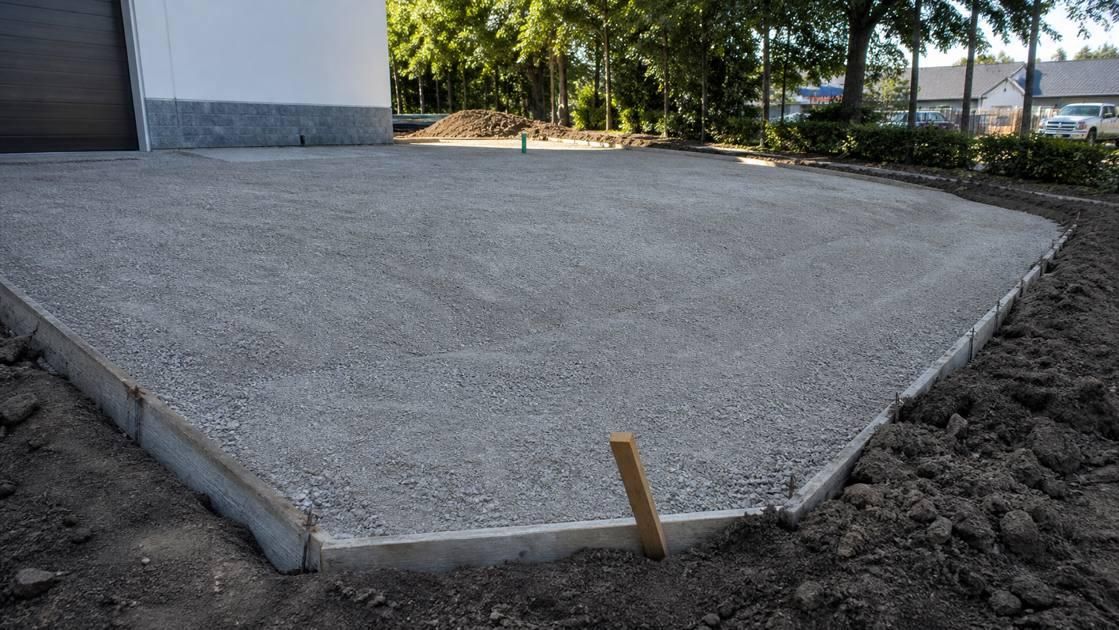
Site preparation is worth pricing carefully because it controls everything that happens after: the paving, the flatwork, and the build. A lower prep number could mean soft soil, bad drainage, or unresolved access problems, which always costs more to address later, when the finished surface starts to fail from below.
If your Bay Area project needs excavation, grading, drainage planning, or base preparation, start with a site review. Contact Portillo's Paving Co. at 925-499-7986 for an estimate.