
How To Fix a Cracked Concrete Driveway (Bay Area)
Fixing a cracked concrete driveway starts with evaluating the type of crack you have: a narrow, stable hairline can often be sealed, while a wide or shifting crack usually points to base or drainage trouble that needs professional repair. Family-owned, licensed, bonded, and insured, Portillo's Paving Co.'s residential paving and concrete work begins by diagnosing why a driveway cracked in the first place.
A crack is a symptom, and the fix depends entirely on what's causing it. Some are routine shrinkage that cleans up and seals easily. Others are the first visible sign that the slab is moving, water is undermining the base, or a tree root is lifting from below. This article helps you identify the type of crack, choose the right repair, and recognize when a driveway is past patching.
Identify the Type of Crack
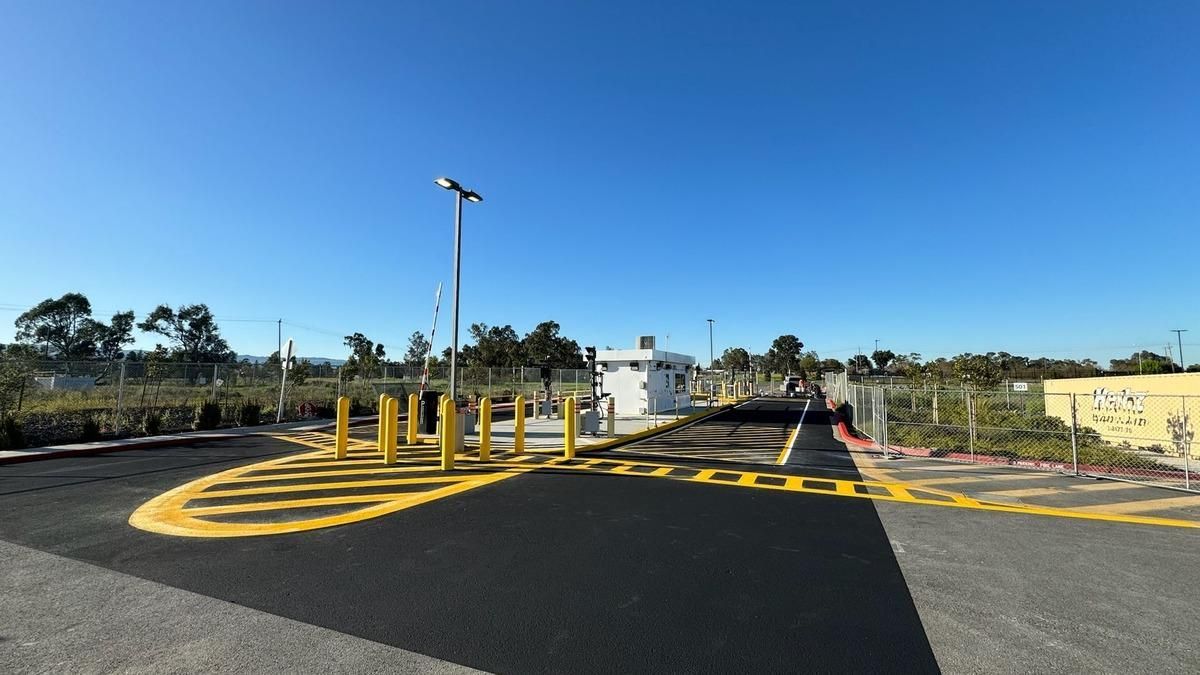
Understanding the specific shape, depth, and pattern of a concrete crack is the first step in diagnosing whether you face a minor cosmetic flaw or a major structural failure.
1. Assessing the Visual Clues
Start by looking at the width, length, pattern, and height difference of the damage. A thin surface crack requires a completely different approach than a wide crack with raised edges:
- Hairline Cracks: These often come from normal shrinkage as the concrete cures. They can usually just be monitored if they stay narrow and level.
- Wider Cracks: These typically point to deeper issues like ground settlement, base failure, or hidden water problems.
- Uneven Cracks: Cracks with one side higher than the other need immediate caution. This raised concrete creates a dangerous trip hazard. While grinding the edge down can help in some cases, unstable slabs need a deeper structural evaluation.
2. Mapping the Driveway and Soil Conditions
Map the whole driveway before deciding on a fix. If cracks follow a specific drainage path, water runoff is likely the cause. If they appear mostly near the edges, the concrete base is likely weak or poorly supported.
Soil is often the hidden root cause behind this movement. On the dense clay common around Walnut Creek and the inland East Bay, the ground swells when wet and shrinks when dry. This harsh seasonal movement is more than enough to crack a slab that was poured over a weak or poorly drained base.
3. Tracking Active Movement
Homeowners should check nearby gutters, downspouts, and soil. While Portillo's Paving Co. handles paving and concrete work rather than gutter installation, underlying drainage problems must be corrected before any concrete repairs begin.
Measure your cracks before and after a rainy season. Tracking their growth, widening, or new branching will tell you if the slab is actively moving, which helps you decide if a simple filler is too temporary.
Choose the Right Repair Method
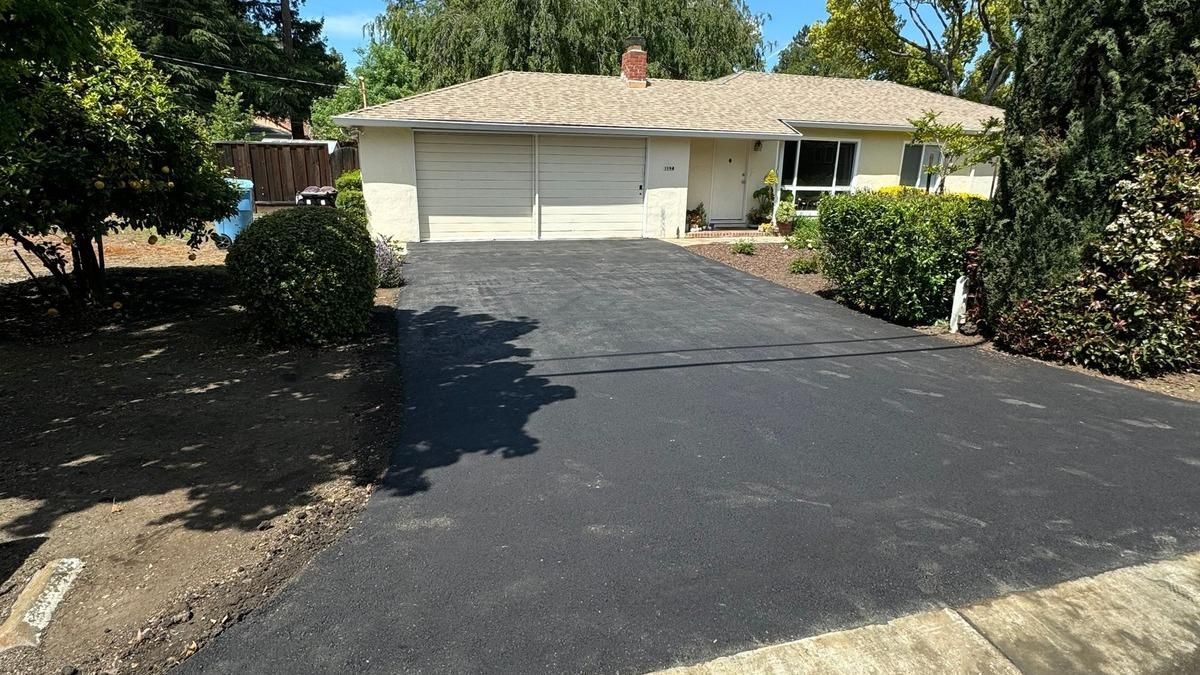
Selecting the correct fix prevents you from wasting money on surface patches that will fail during the next seasonal ground shift.
1. Preparation and Minor Fills
Cleaning is always the first step for crack repairs. Dirt, loose concrete, weeds, and debris must be completely removed because repair materials cannot bond to dirty openings.
Stable cracks can sometimes be filled with a standard concrete crack filler. Just ensure the material matches the crack size and expected movement, and carefully follow the product instructions if you're handling minor cosmetic work yourself.
2. Advanced Fixes and Total Replacement
- Routing and Patching: Larger cracks often need routing, heavy patching, or partial section replacement. A professional contractor can cut out failed sections and rebuild the gravel base underneath to stop the same crack from returning.
- Full Replacement: If your driveway has widespread settlement or deep failure, a full rebuild is usually more sensible. Repeated patching costs more over time, so it helps to compare the long-term cost of repairing a driveway against a total replacement. For severe damage, Portillo's Paving Co. provides complete driveway paving and brand-new concrete flatwork for a permanent, comprehensive solution.
Prevent New Cracks After Repair
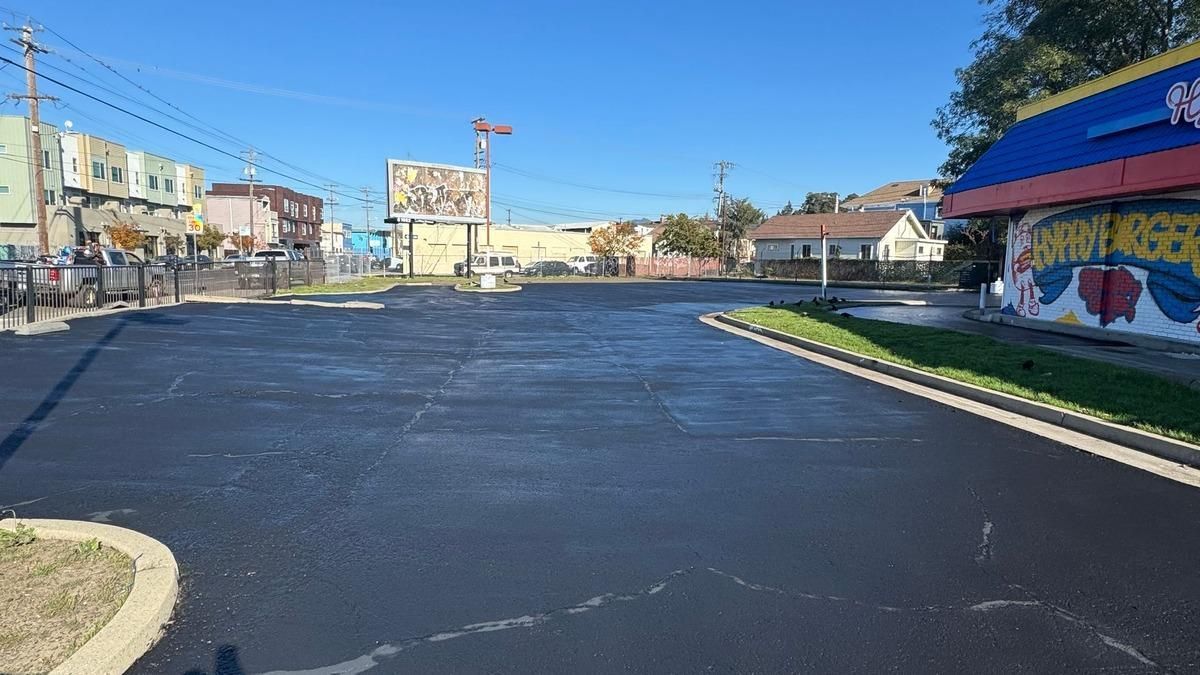
Proactive maintenance and weight management ensure your newly repaired driveway survives the elements for decades.
1. Water Control and Base Stability
Prevention starts with strict water control. Standing water can soften the supporting soil and increase slab movement, so water must never be allowed to sit along slab edges or flow directly under the driveway. Remember that the underlying base matters just as much as the concrete surface; a highly compacted, stable foundation is your best defense against future settlement.
2. Control Joints and Weight Limits
- Control Joints: These manufactured cuts help concrete handle natural movement by guiding inevitable cracks into neat, planned lines instead of random, ugly patterns. Missing or poorly spaced joints drastically increase visible cracking.
- Load Management: Avoid parking heavy loads that exceed the residential driveway design. Large delivery trucks, roll-off dumpsters, and heavy construction equipment can easily smash residential concrete. If you need heavy vehicle access, discuss protection options with a contractor first.
3. Setting Expectations
Schedule a professional inspection the moment you notice cracks growing or edges moving, as early repairs are much easier than a full replacement. Portillo's Paving Co. can help you choose the most practical route.
Be sure to ask about matching the repair material to your existing driveway finish. Color and texture rarely blend perfectly, and knowing that early helps set realistic expectations for your newly paved driveway.
Frequently Asked Questions
Can I fill driveway cracks myself?
You can fill small stable cracks if the slab is level and clean. Use a material designed for concrete cracks. Call a contractor when cracks are wide, moving, uneven, or connected to drainage problems.
When should cracked concrete be replaced?
Replacement may be needed when slabs are sinking, heaving, or breaking into several pieces. It may also be better when the base is failing. A site inspection helps confirm the right choice.
Does sealing cracks stop all damage?
Sealing can reduce water entry, but it cannot fix base failure. It also will not stop active movement. If the driveway keeps shifting, the underlying cause needs professional repair.
Catch the Crack Before It Spreads
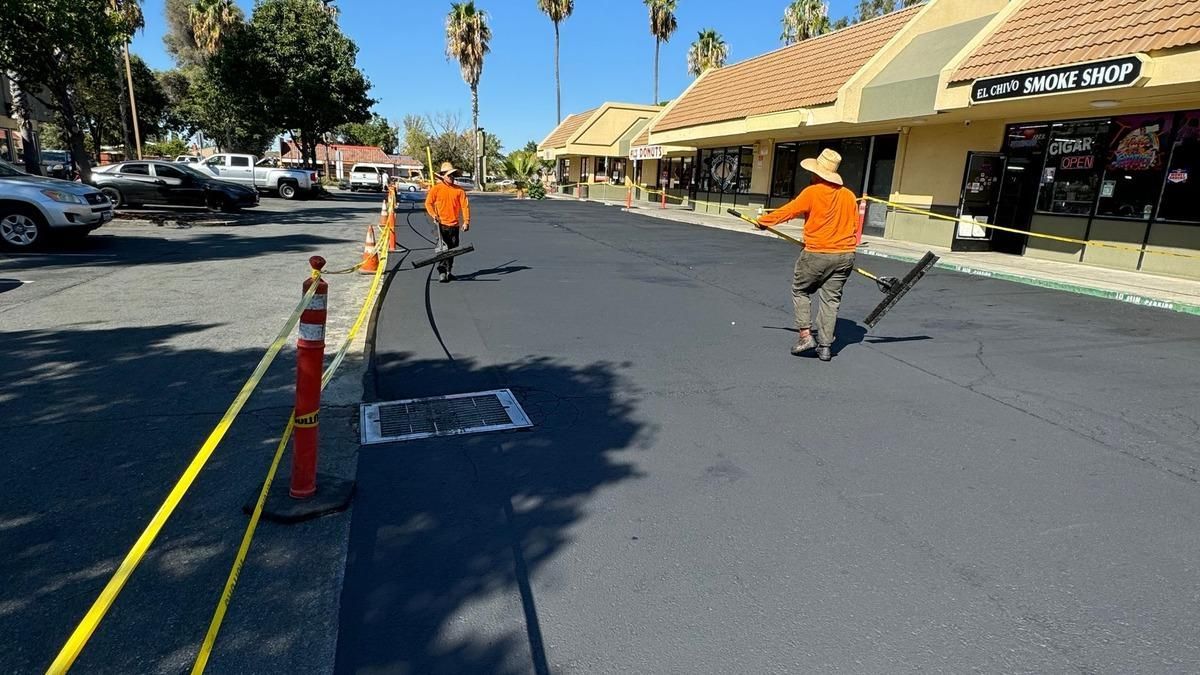
A cracked concrete driveway is usually manageable when the cause is found early. The cause almost always sits below the surface: drainage, base support, or soil movement. Sealing a stable crack buys time; chasing a moving one with filler alone rarely lasts. Correctly diagnosing the cause first is what keeps a small repair from turning into a full replacement.
If your driveway is cracking, especially if the cracks are widening or the slab feels uneven, contact Portillo's Paving Co. at 925-499-7986 for a professional driveway evaluation.