
How Long Does Asphalt Last in the Bay Area?
A residential asphalt driveway in the Bay Area usually lasts 15 to 25 years. Which end of that range you land on comes down to base prep, drainage, sun exposure, and how regularly the surface is maintained. Portillo's Paving Co. is a family-owned Bay Area paver. Our residential paving work starts under the blacktop, where a driveway's real lifespan is decided.
Most homeowners only think about lifespan when the surface starts to gray, crack, or hold water after a storm. Those early signs are worth reading correctly, because the same driveway can need anything from a simple seal coat to a full rebuild depending on what's happening at the base. Below, we cover what shortens asphalt life in the Bay Area, how maintenance extends it, and when repair gives way to replacement.
What Affects Asphalt Lifespan in Bay Area Driveways?
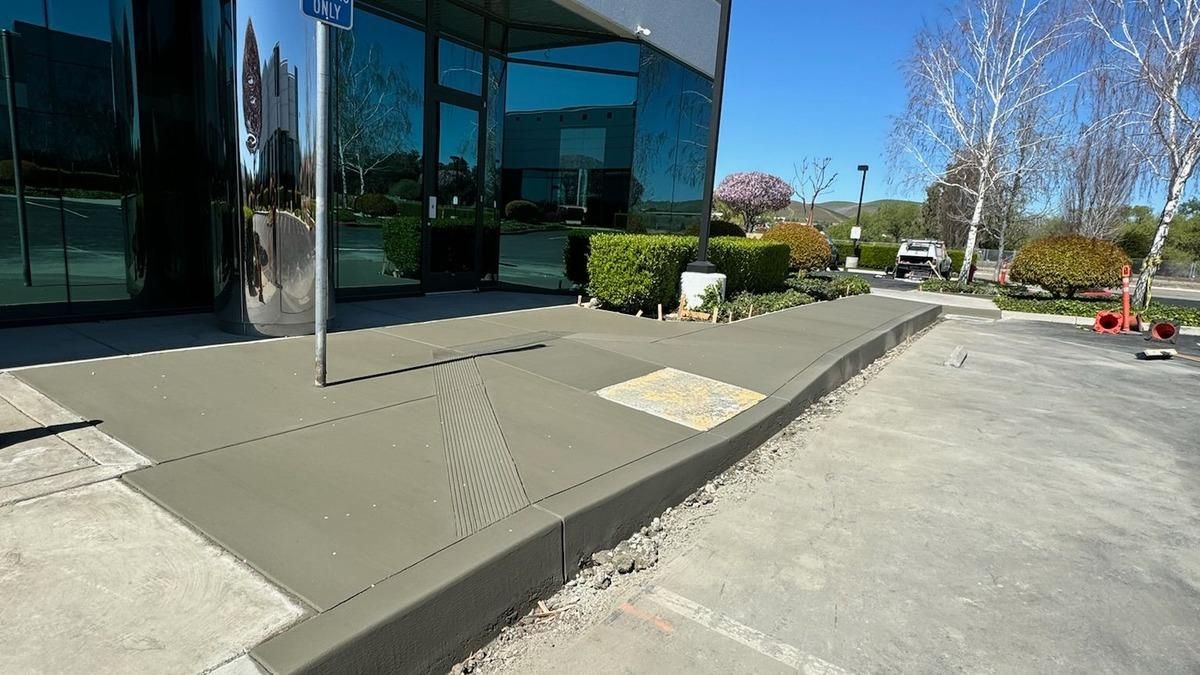
Asphalt lifespan depends on what happens under the blacktop before the first car parks on it. A strong driveway starts with compacted aggregate, proper slope, and asphalt thickness that matches the use.
Bay Area pavement sees several stress patterns at once:
- Sun exposure dries asphalt binder and turns the surface gray.
- Coastal moisture can keep shaded areas damp for long periods.
- Sloped lots push water toward seams and driveway edges.
- Heavy vehicles leave depressions when the base is weak.
Temperature swing is one of the hardest things on asphalt, and it varies sharply by location. A driveway in a place like Fairfield, where summer heat and cold nights can both land in the same week, expands and contracts more than a coastal one. That movement opens small surface cracks. Once water reaches the base through those cracks, the driveway can start to settle.
How Maintenance Changes the Timeline
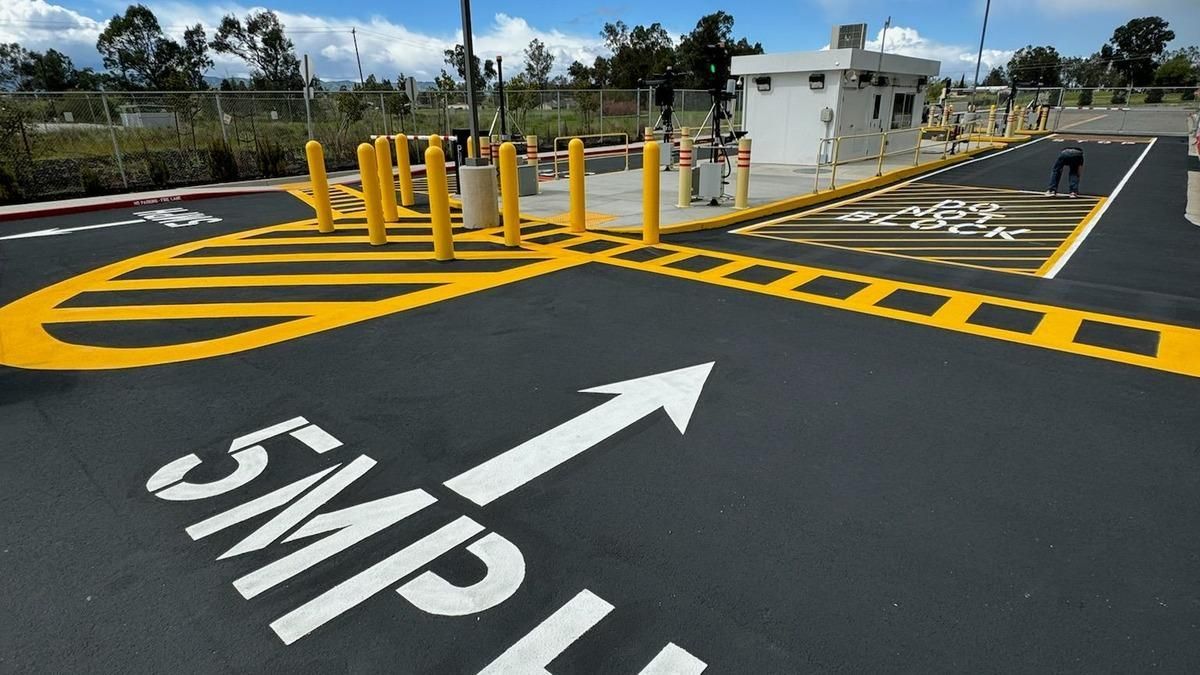
Maintenance does not make asphalt permanent, but it slows the common failure path: oxidation, cracking, water entry, then base movement.
Sealcoating helps protect the surface once the asphalt has cured. Most Bay Area driveways need it every two to three years.
Crack filling matters most before the rainy season. Hairline cracks can wait briefly, but open cracks should be sealed before water reaches the base. Patching helps when a small area has failed, but it will not fix a driveway with widespread base movement.
A practical maintenance routine looks like this:
- Inspect cracks each fall before steady rain starts.
- Clear leaves and soil from driveway edges.
- Keep sprinklers from soaking asphalt daily.
- Sealcoat when the surface looks dry, faded, or porous.
If the pavement has deep ruts, standing water, or alligator cracking, maintenance may only delay replacement. At that point, the base deserves a closer look.
When Repair Beats Replacement
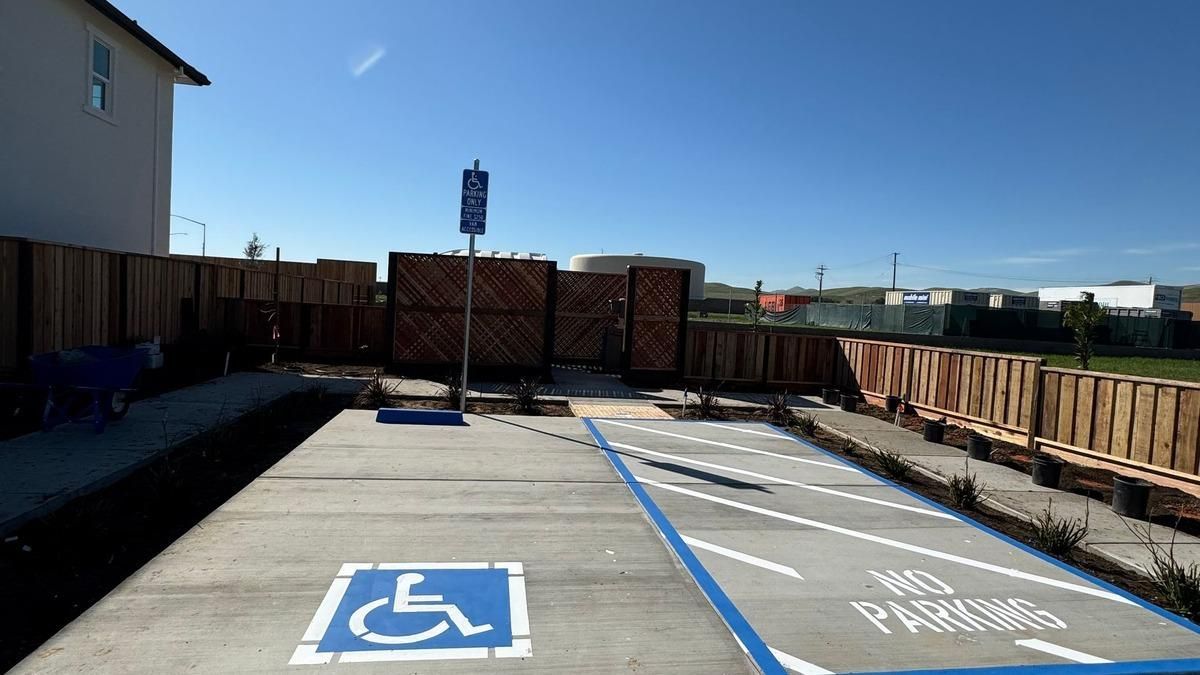
Repair works when damage stays local and the driveway still has a stable base. Replacement makes more sense when cracks connect across wide areas or the asphalt flexes under weight.
For homeowners who are thinking about resurfacing, Portillo's Paving Co. evaluates the base first because an overlay needs solid support. If the old asphalt moves, the new layer can mirror those cracks quickly.
Three signs point toward repair:
- A few isolated cracks with no sinking around them.
- One damaged edge caused by irrigation or soil loss.
- A small pothole where the surrounding asphalt feels firm.
Three signs point toward replacement:
- Connected cracks that look like reptile skin.
- Low spots that hold water after light rain.
- Crumbling edges along most of the driveway.
While commercial parking lots follow these same basic rules, heavy traffic and delivery trucks put a lot more stress on the pavement than a family car. Because Portillo's Paving Co. works on homes and commercial properties, our recommendation is always based on the actual weight your asphalt needs to handle.
Frequently Asked Questions
Can Bay Area asphalt last longer than 25 years?
Bay Area asphalt can last longer than 25 years when the base is strong and drainage stays controlled. That usually happens on lighter-use driveways with regular crack filling and sealcoating. Portillo's Paving Co. still recommends yearly inspection because small cracks grow faster during wet winters.
Does shade make an asphalt driveway last longer?
Shade can reduce surface oxidation, but it can also keep moisture on the driveway longer. The better condition depends on drainage and air movement. A shaded driveway under trees may need more cleaning because leaves trap damp debris along cracks and edges.
How do I know if old asphalt needs replacement?
Old asphalt likely needs replacement when cracks connect, edges crumble, or water sits in low areas. Those symptoms usually mean the base has started to move. Local patching may help for a season, but it rarely restores support across the full driveway.
Know Whether to Maintain, Repair, or Replace
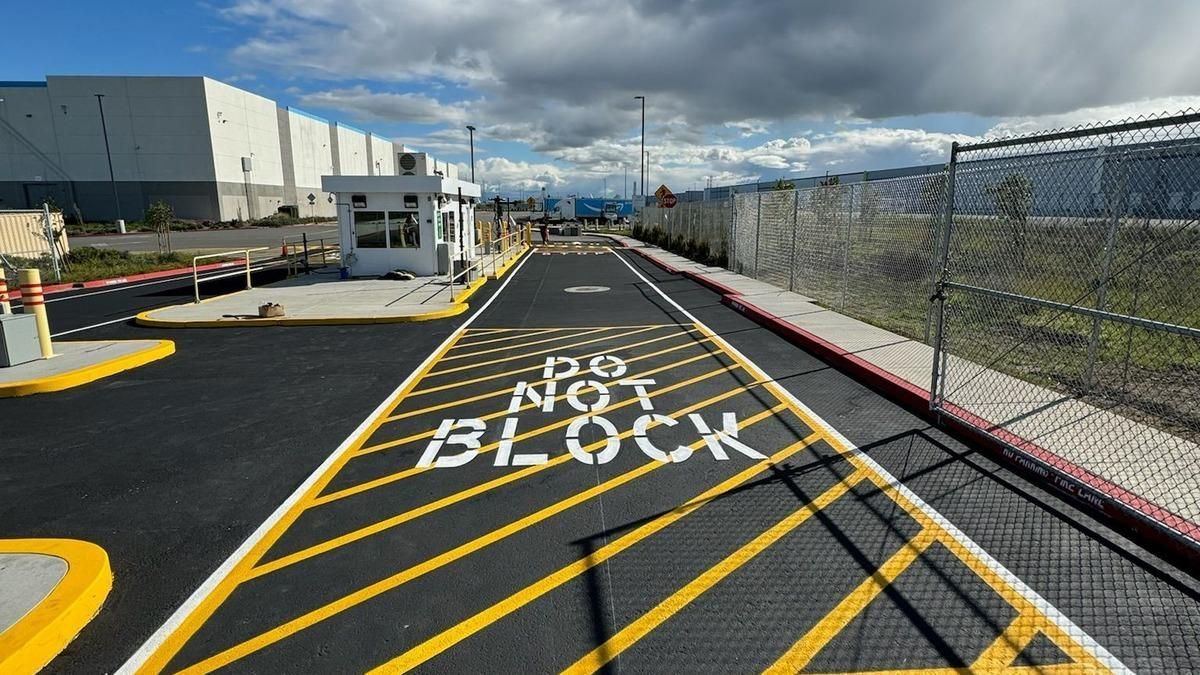
Asphalt lasts longest when the surface, the base, and the drainage all do their jobs together. Light cracking usually means maintenance can protect the driveway for years. Sinking, standing water, or connected "alligator" cracking usually means the base needs attention before anything goes on top. The honest read is what saves you from paying for a surface fix that a failing base will undo.
For a straight answer on whether your driveway needs maintenance, repair, or replacement, contact Portillo's Paving Co. at 925-499-7986 for a free local assessment.