
Commercial Parking Lot Maintenance Checklist (Bay Area)
A good commercial parking lot maintenance checklist covers five things on a regular cycle: the asphalt surface, drainage, striping, ADA access, and safety hazards. Staying ahead of all five is what keeps small pavement problems from turning into expensive ones. Portillo's Paving Co. is a family-owned, A+ BBB-accredited contractor. Our commercial paving work helps Bay Area property owners protect their lots on a schedule instead of in an emergency.
The most useful checklist is simple enough to actually repeat, and is tied to the seasons that stress Bay Area pavement: winter rain, summer heat, and the daily grind of turning, braking, and parking. In this blog post, we share what to inspect monthly, how to keep striping and ADA areas compliant, and when to schedule repairs before damage spreads.
Inspect the Surface Every Month
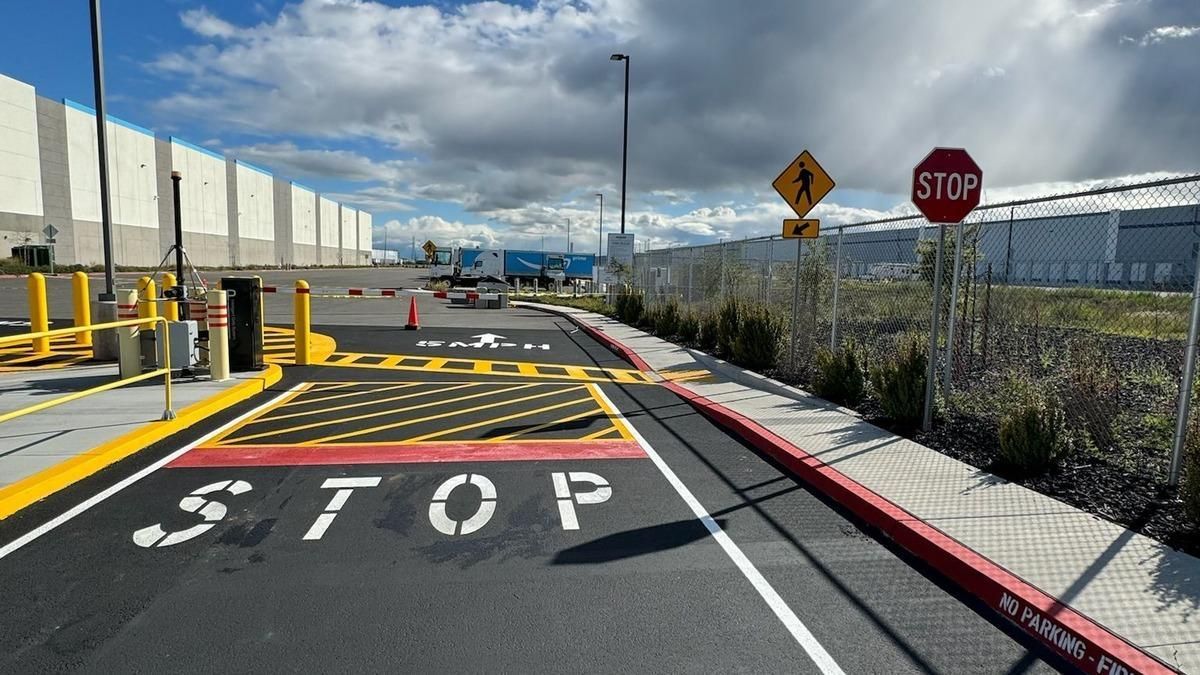
Catching asphalt damage early requires a proactive routine of checking your pavement for structural vulnerabilities before they escalate into costly failures.
1. The Monthly Walk-Through
Walk the lot once a month and after heavy rain. Take photos from the same angles each time, looking for these key warning signs:
- Cracks and potholes
- Loose aggregate and standing water
- Faded markings and broken curbs
2. High-Stress Areas to Check First
Check areas near entrances, loading zones, dumpsters, and drive aisles first. These spots carry the heaviest turning and braking forces, meaning they often show early signs of pavement fatigue.
Cracks deserve quick attention because water can reach the base. Once the base softens, the surface may sink or break apart, creating trip hazards and vehicle damage concerns.
3. Drainage and Documentation
- Monitor Runoff: Water should move away from the lot and toward planned drainage points. Puddles that stay after storms often signal grading or base issues.
- Keep a Written Log: Record the date, weather, concern size, and location. This history helps a contractor recommend the right repair instead of guessing.
Keep Striping and ADA Areas Clear
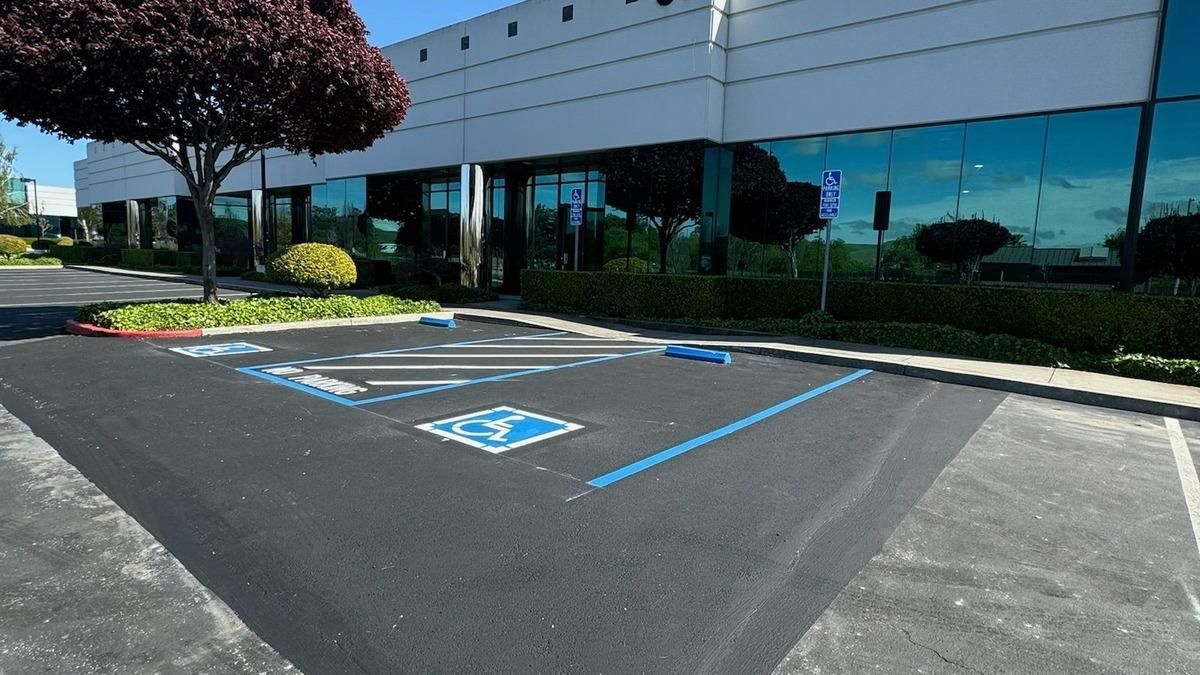
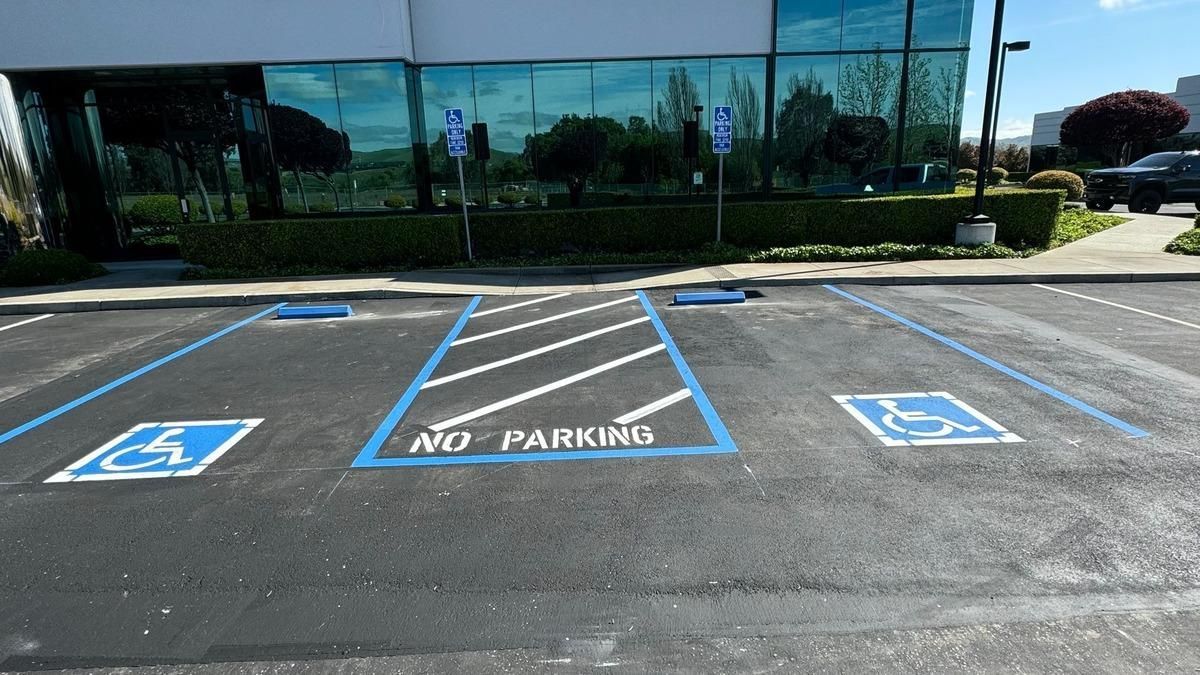
Maintaining bright, unobstructed navigation markings is essential for protecting your visitors, minimizing property liability, and keeping your business legally compliant.
1. Traffic Markings and Safety
Parking lot markings guide traffic and reduce confusion. Repaint stalls, arrows, fire lanes, loading zones, and crosswalks before they become hard to see.
Paint life depends on traffic, weather, and cleaning. Busy lots may need fresh striping more often than smaller private lots, and a paving contractor can easily coordinate striping right after completing surface repairs.
2. ADA Compliance
ADA spaces need special attention. Check signs, access aisles, slopes, ramps, and paths from parking spaces to entrances. Portillo's Paving Co. performs ADA compliant work for commercial paving projects.
Critical Compliance Note: Never allow employees or vendors to block the striped access aisles with shopping carts, pallets, debris, or temporary storage. Under the law, a blocked aisle is treated as a total failure to provide accessible parking, completely undoing the protection of your fresh paint and exposing your business to immediate legal violations.
3. Visibility and Lighting
While Portillo's Paving Co. focuses on paving, not electrical work, owners should regularly note dark areas. Better visibility helps drivers see markings, pedestrians, and sudden surface changes.
Schedule Repairs Before Damage Spreads
Fixing minor surface flaws on a planned maintenance schedule prevents widespread deterioration and keeps your operational budget predictable.
1. Early Intervention Options
Maintenance works best when repairs happen early. The right choice depends entirely on pavement age, base strength, and traffic load:
- Surface Protection: Sealcoating can help protect asphalt surfaces when the pavement is still structurally sound. Surface protection should never be used to hide deeper base failure.
- Structural Rebuilds: If cracking is widespread or potholes return quickly, the base may need structural correction.
2. Planning Around Business Operations
Repairs may need phasing, cones, temporary routes, and clear customer notices. Phasing matters most on high-traffic lots, the kind that fill dense commercial corridors like Hayward, where a retail or industrial lot can't simply close for a week. Scheduling the work in sections keeps the business open while the pavement gets fixed.
Keep maintenance tied to your annual budget. A planned repair cycle is much easier to manage than an emergency closure, and it actively preserves your property's curb appeal.
Frequently Asked Questions
How often should I inspect my parking lot?
Inspect the lot monthly and after major storms. Bay Area rain can reveal drainage problems that are not visible during dry weather. High-traffic properties should also check entrances, loading zones, and accessible routes weekly.
What should be repaired first?
Prioritize hazards that affect safety or drainage. Potholes, raised edges, blocked ADA access, and standing water should move to the top of the list. Cosmetic issues can wait if the pavement structure is stable.
When is replacement better than maintenance?
Replacement may make sense when repairs fail quickly, cracking covers large areas, or the base is weak. A contractor should inspect the pavement before recommending replacement. Maintenance still helps when the structure remains sound. Property owners with asphalt lots can review our asphalt overlay vs replacement guide to learn more.
Protect Your Lot, Your Budget, and the Customer Experience
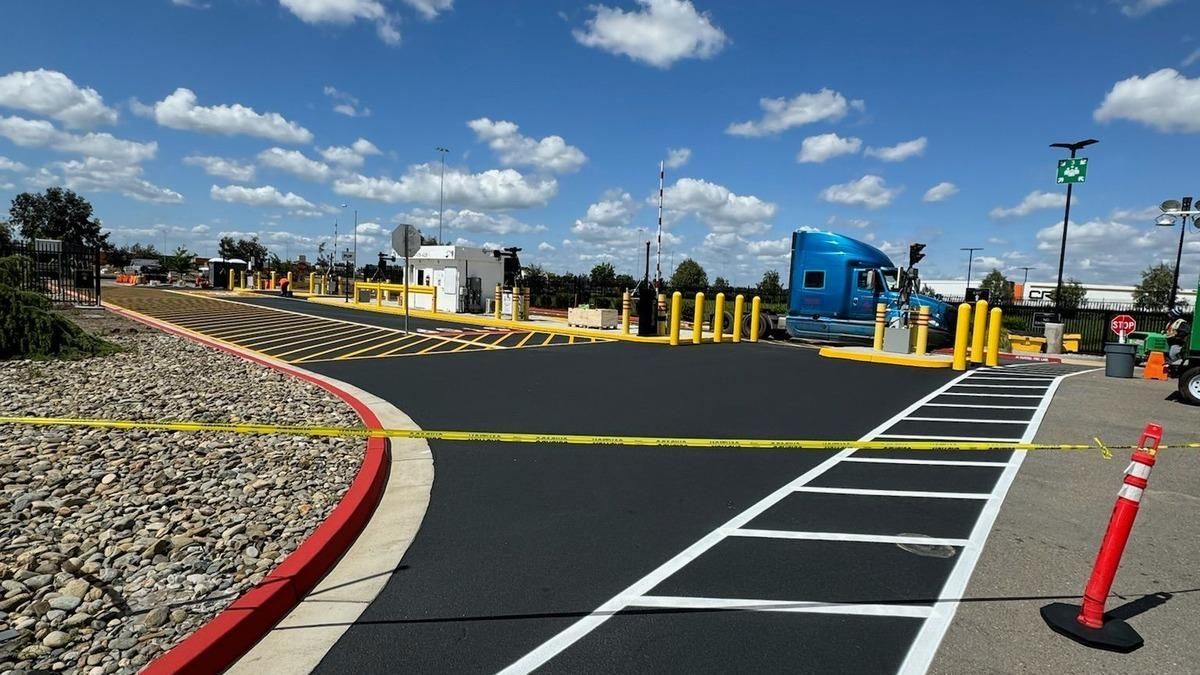
A written maintenance checklist lets you separate urgent safety work from routine upkeep, plan a realistic annual budget, and compare contractor bids on equal terms. A lot that's inspected regularly maintains its safety, appearance, and value far longer than one that's only looked at when something fails.
For help building or upholding a maintenance plan for your Bay Area lot, contact Portillo's Paving Co. at 925-499-7986 .