
How Much Does Land Grading Cost in 2026? Price Guide for Bay Area Property Owners
The scope of work and soil conditions create a wide pricing range for land grading in the Bay Area. Costs run $1 to $7 or more per square foot in 2026. A light leveling job for a residential yard starts at $1,000 to $3,000, while complex slope correction with drainage installation can reach $10,000 or higher. Portillo's Paving Co. provides excavation and grading services for residential and commercial properties across the East Bay and Tri-Valley, with soil assessment and drainage planning built into every project.
You walk the property after a heavy rain and watch water pool against the foundation instead of draining away from it. That pooling is a grading problem, and it gets worse every season as soil settles and shifts. The final number hinges on how much soil needs to move and what drainage goes in with it.
What Does Land Grading Cost?
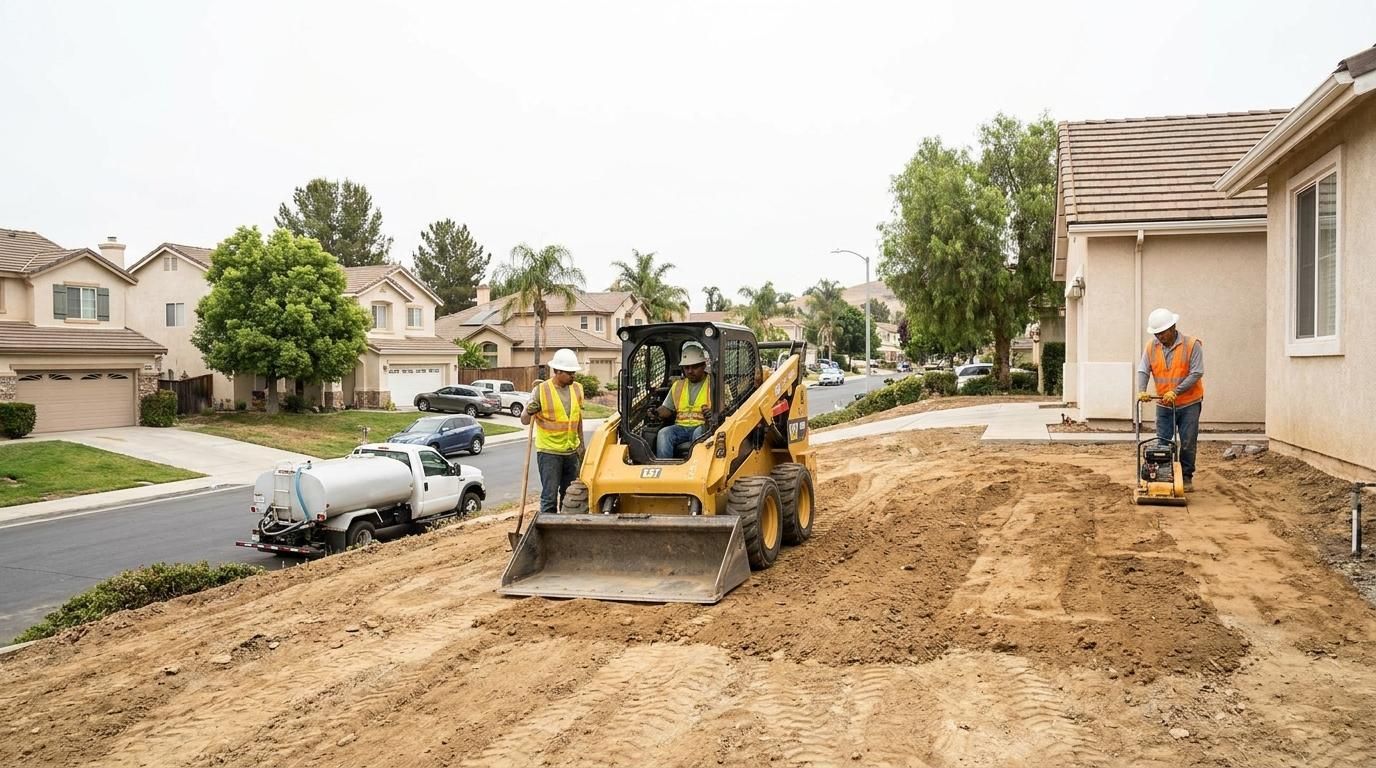
Grading costs depend on how much earth needs to move and what obstacles stand in the way. Bay Area projects tend to run higher than national averages due to soil complexity and permitting requirements.
Light Grading and Leveling ($1 to $3 Per Square Foot)
Minor yard leveling, smoothing uneven spots, and creating a gentle slope away from the home foundation fall in this range. Most residential leveling projects cost $1,000 to $3,000 total. This tier covers properties where the soil is already reasonably stable and only surface adjustments are needed.
Moderate Grading ($3 to $7 Per Square Foot)
Projects that require significant soil movement, subgrade compaction, and regrading for proper drainage fall here. Driveway preparation, patio site prep, and correcting years of soil settlement typically land in the $3,000 to $8,000 range. The ground leveling process at this tier determines whether the finished surface holds for 20 years or starts cracking within five.
Complex Grading and Drainage ($7+ Per Square Foot)
Full slope correction, retaining structures, and subsurface drainage systems push costs above $7 per square foot. Projects in this tier often involve hillside properties, severe drainage failures, or commercial site preparation. Total project costs of $10,000 to $25,000 are common for Bay Area properties with significant elevation changes.
What Affects Grading Costs in the Bay Area?
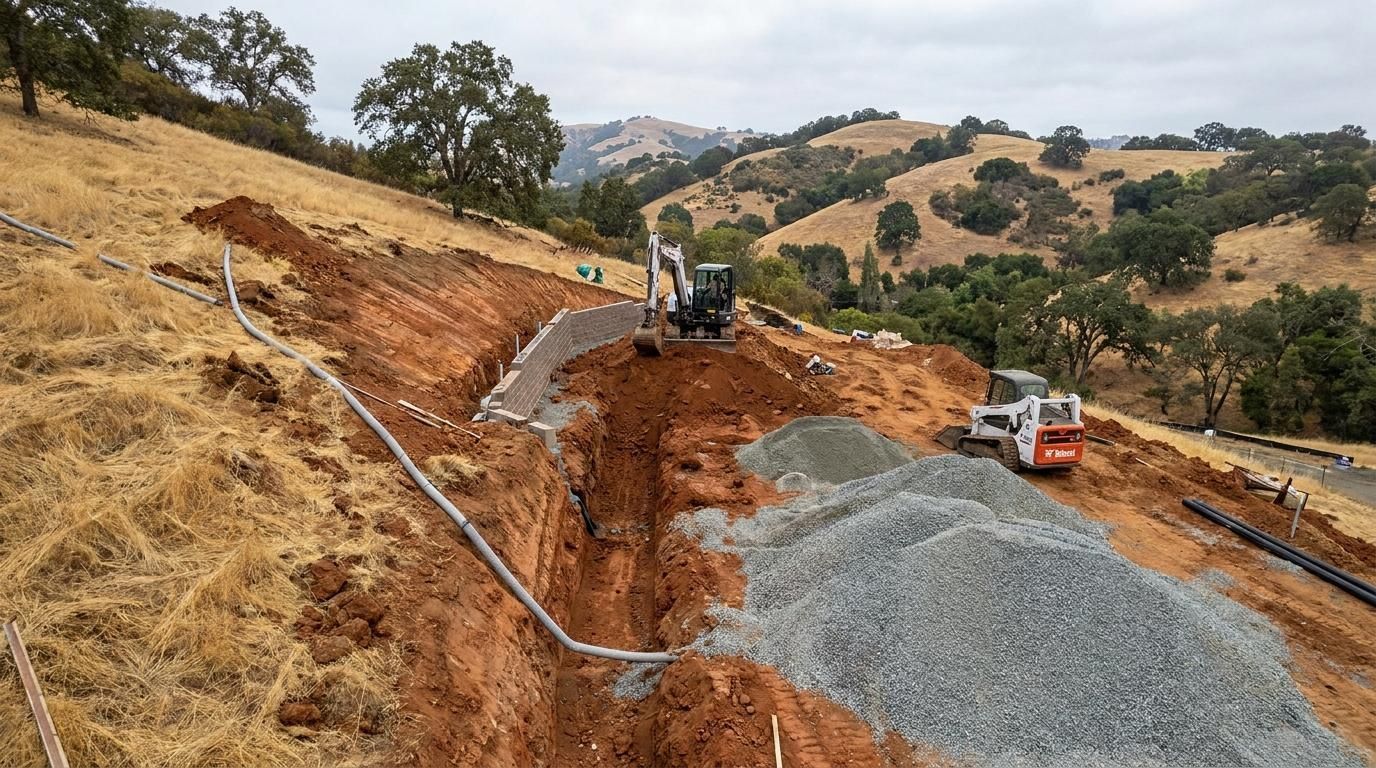
Two Bay Area properties the same size can have dramatically different grading costs based on soil type, slope, and what needs to happen after the grading is done.
Soil Conditions
The dense clay soils common across Contra Costa County expand when wet and contract when dry. That seasonal movement means grading on clay requires deeper compaction and sometimes imported fill material to create a stable base. Properties in Brentwood and East County often sit on heavy clay that adds time and material to grading projects compared to the sandier soils found closer to the coast.
Drainage Requirements
Grading and drainage are inseparable. Redirecting water away from a foundation or toward a storm drain often requires French drains, catch basins, or swales installed during the grading process. Adding subsurface drainage to a grading project can increase costs by $2,000 to $8,000 depending on the system. The price of French drain installation depends on trench length, pipe diameter, and how deep the drain needs to sit.
When Do You Need Professional Grading?
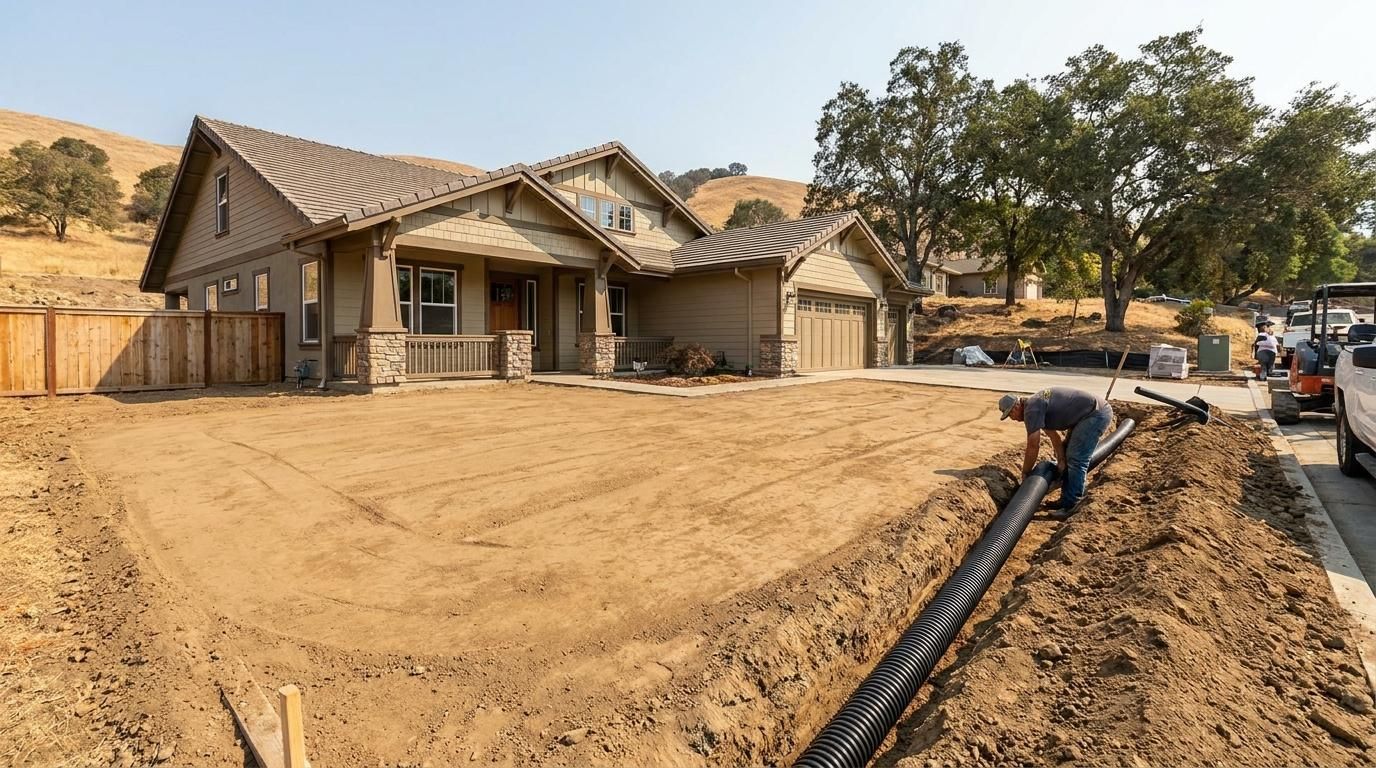
Not every uneven yard needs professional grading. Minor cosmetic bumps can sometimes be addressed with topsoil and reseeding. Professional grading becomes necessary when the issue affects water flow, structural stability, or preparation for new construction.
- Water pooling against or near the home foundation after rain
- Preparing a site for a new driveway, patio, or concrete slab
- Erosion on sloped sections of the property
- Soil settlement creating low spots that trap standing water
Each of these conditions worsens over time if left alone. Water pooling against a foundation can lead to cracking and structural damage that costs far more to repair than the grading work itself. Starting grading before a paving or concrete project ensures the finished surface drains correctly from day one.
Frequently Asked Questions
Do I need a permit for land grading in the Bay Area?
Permit requirements vary by city and county in the Bay Area. Most jurisdictions require a grading permit when the project moves more than 50 cubic yards of soil or changes the drainage pattern on the property. Portillo's Paving Co. handles permit research and compliance for grading projects across Contra Costa, Alameda, and Solano Counties.
How long does a residential grading project take?
Light leveling for a standard residential yard takes one to two days. Moderate grading with drainage work runs three to five days. Complex hillside projects or full-property regrading can take one to two weeks depending on soil conditions, weather, and equipment access.
Can grading fix standing water in my yard?
Regrading is the most effective solution for standing water caused by improper slope. The goal is creating a consistent grade that directs water away from structures and toward a drainage outlet. Combining regrading with French drains or catch basins addresses both surface and subsurface water problems simultaneously.
Start With a Solid Foundation
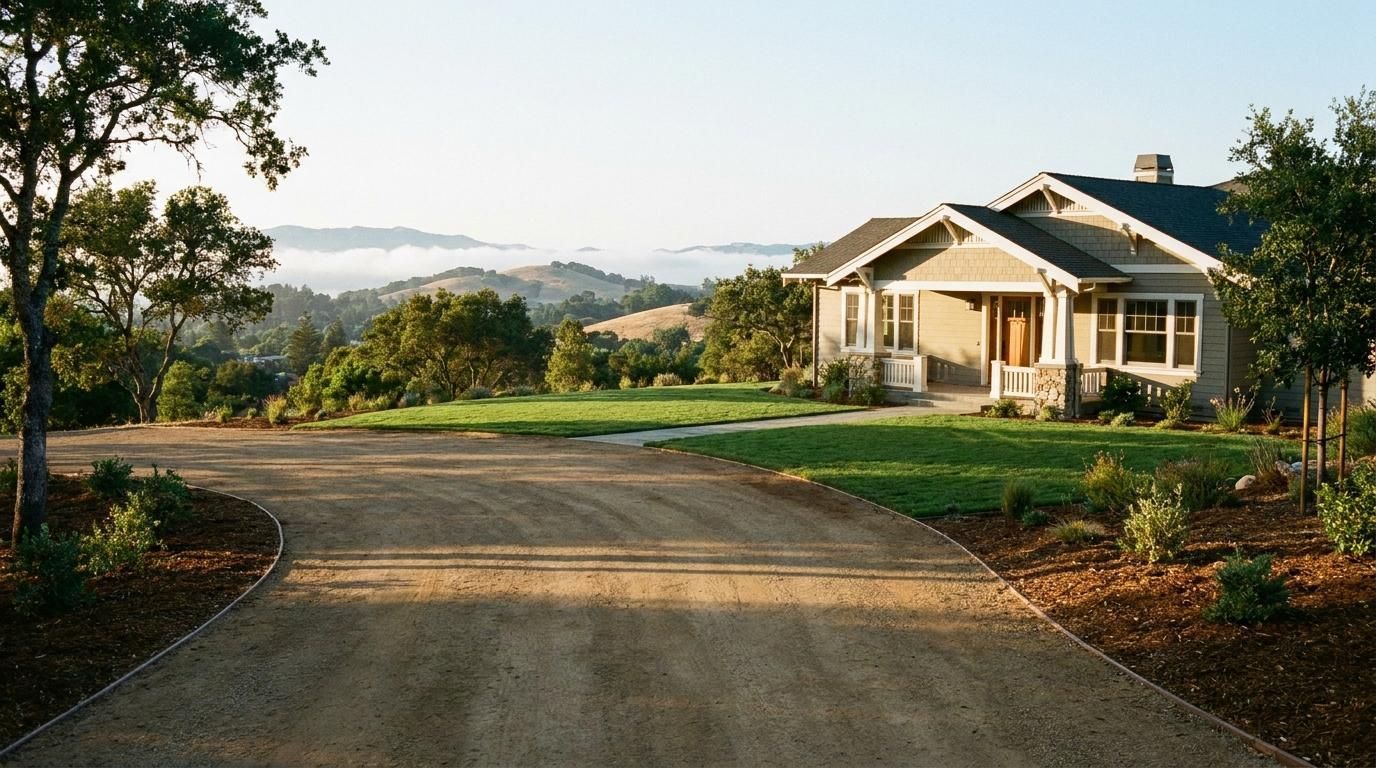
Every paving, concrete, and construction project starts with what's underneath. Proper grading prevents drainage failures, foundation damage, and premature surface cracking that cost far more to fix after the fact. Whether you need light yard leveling or full slope correction with drainage, professional grading helps you avoid repairs down the road.
Contact Portillo's Paving Co. at (925) 499-7986 for a free grading consultation.